Yihao LIU

| Google scholar | Github | XiaoHongShu |
I am a Research Scientist at the Shanghai Artificial Intelligence Laboratory, where I lead a team focusing on multimodal generation and understanding. I earned my Bachelor’s degree in 2018 and my Ph.D. in 2023, both from the University of Chinese Academy of Sciences (UCAS). During my doctoral studies, I was affiliated with the Shenzhen Institutes of Advanced Technology (SIAT), Chinese Academy of Sciences, under the supervision of Prof. Yu Qiao and Prof. Chao Dong. My research lies at the intersection of computer vision, generative modeling, and scientific intelligence, with particular emphasis on multimodal foundation models and image/video enhancement.
Throughout my student journey, I have been honored with prestigious awards, including the President’s Award of the Chinese Academy of Sciences, the Zhu Li Yue Hua Outstanding Doctoral Student Award, the CAS Excellent Youth League Member Award, the Beijing Outstanding Graduate Award, the SIAT President’s Innovation Award, as well as the CVMJ 2025 Best Paper Honorable Mention Award.
I have also excelled in multiple international and national competitions, such as 1st place in the PIRM 2018 Perceptual Image Super-Resolution Challenge, 1st place in the AIM 2020 Video Frame Interpolation Challenge, 2nd place in the NTIRE 2021 HDR Enhancement Challenge, 3rd place in the UDC 2020 Under-Display Camera Restoration Challenge. I serve as a reviewer for various top journals and conferences, including TPAMI, TIP, TCSVT, TMM, CVPR, ICCV, ECCV, NeurIPS, etc.
Current Research Focus
My current research focuses on pioneering a new generation of multimodal foundation models that integrate generation and understanding within a unified architecture. Specifically:
-
Unified Multimodal Architectures: Designing new-generation frameworks (e.g., discrete diffusion, autoregressive hybrids) that integrate text, image, video, and audio tasks, enabling coherent cross-modal representation, reasoning, and generation. -
Knowledge-Driven and Causality-Aware Modeling: Embedding structured world knowledge, physical realism, and causal reasoning into multimodal models, moving beyond perceptual fidelity toward scientifically grounded and logically consistent outputs. -
General Low-Level Vision Models: Consolidating diverse low-level vision tasks — restoration, enhancement, style transfer, and dense prediction — into a robust multimodal framework, advancing detail recovery, fidelity, and generalization for real-world applications. -
Post-training and Reward Alignment: Developing multimodal alignment and reinforcement learning paradigms, incorporating human preference modeling and expert feedback, to ensure outputs that are not only high-quality and aesthetic but also reliable, interpretable, and scientifically valid.
I am open to collaboration and discussions. Feel free to reach out at liuyihao@pjlab.org.cn or liuyihao14@mails.ucas.ac.cn
科普 · Popular Science
热爱科普创作,喜欢“一本正经地胡说八道”:把枯燥的原理塞进日常,把硬核的知识装进脑洞;让科学多一点趣味,让科研少一点距离——读得有趣,想得明白,看得见,也摸得着。
经历与热爱 · Journey
科研是最重要的主线,却不是生活的全部。从国科大首届本科生到人工智能研究员,从科普、校媒到校园活动与羽毛球,记录一些走出边界的尝试,也记录那些不那么顺利却同样真实的成长。
news
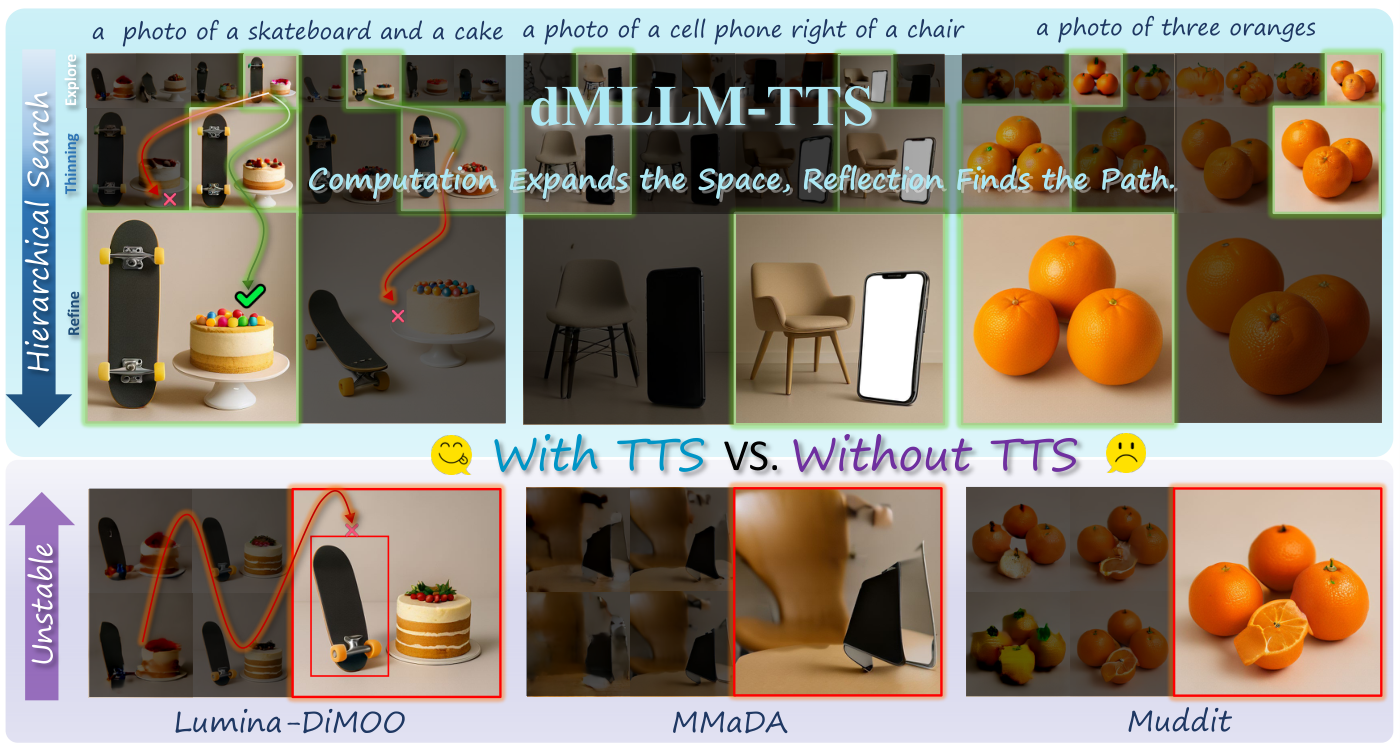
| Sep 25, 2026 | Two papers accepted by NeurIPS 2026! Are Text-to-Image Models Inductivist Turkeys? A Counterfactual Benchmark for Causal Reasoning was accepted as a NeurIPS 2026 Evaluations and Datasets Track Poster, and Sketch Then Paint: Hierarchical Reinforcement Learning for Diffusion Multi-Modal Large Language Models was accepted as a NeurIPS 2026 Poster. |
|---|---|
| Jul 10, 2026 | One paper accepted by ACM MM’26. MIGM-Shortcut accelerates masked image generation by learning latent controlled dynamics: instead of running the heavy base model at every sampling step, it uses a lightweight shortcut model to predict feature evolution from previous features and newly sampled tokens. Applied to MaskGIT and Lumina-DiMOO, MIGM-Shortcut greatly improves the quality-speed trade-off and achieves over 4x acceleration on Lumina-DiMOO while maintaining generation quality. [Homepage] [Paper]. |
| Jun 18, 2026 | Three papers accepted by ECCV’26. |
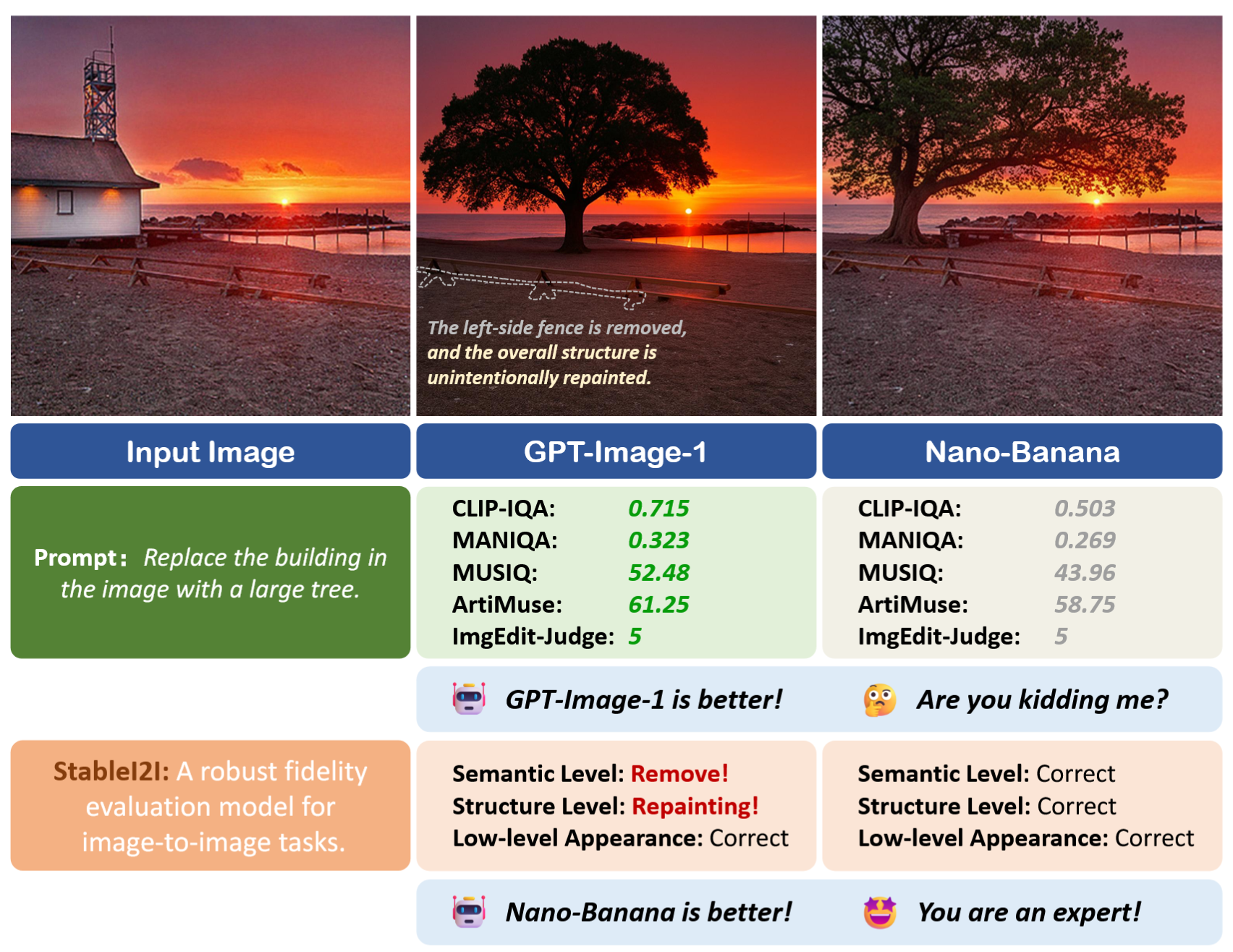
| May 04, 2026 | I’m glad to share our ICML 2026 work StableI2I, a fidelity-oriented evaluation framework for image-to-image generation. Rather than only asking whether an edited/restored image looks good or follows the instruction, StableI2I focuses on what has been unintentionally changed. It jointly considers the input image, output image, and I2I instruction to diagnose content drift across semantic consistency, structural fidelity, and low-level appearance, covering errors such as object addition/removal/replacement, repainting, misalignment, noise, blur, and color cast. We release StableI2I-Bench, together with StableI2I and StableI2I-PLUS models, to support fine-grained I2I fidelity diagnosis and scoring for more faithful and controllable image editing/restoration systems. [Homepage] [GitHub] [StableI2I-Bench] [StableI2I Model] [StableI2I-PLUS] [Paper]. |
| May 01, 2026 | Five papers accepted by ICML’26. UniPercept was selected as a Spotlight paper. |
| Feb 21, 2026 | Four papers accepted by CVPR’26. |
| Jan 27, 2026 | Four papers accepted by ICLR’26. |
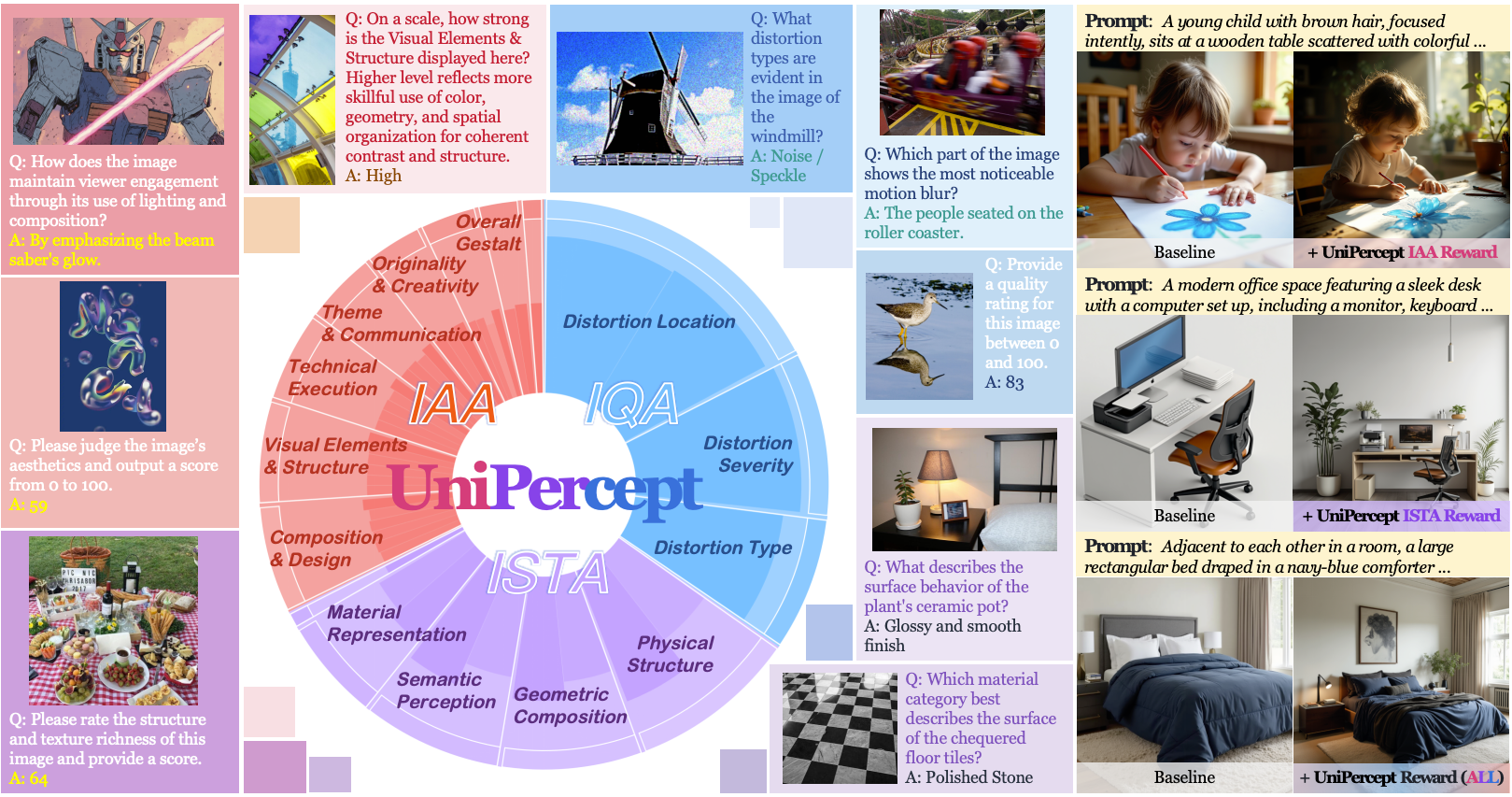
| Dec 30, 2025 | I’m happy to share our new work UniPercept, which tackles a key blind spot of today’s multimodal LLMs: perceptual-level image understanding — how images look and feel to humans — covering aesthetics, quality, structure, and texture. Our release includes UniPercept-Bench, a unified benchmark spanning IAA/IQA/ISTA and supporting both Visual Rating (VR) and Visual Question Answering (VQA) evaluations. We also introduce the UniPercept baseline model to generalize across VR and VQA settings. Beyond benchmarking, UniPercept can be used as a reward model for post-training text-to-image systems and as a perceptual diagnostic tool for analyzing model outputs and datasets. [Homepage] [GitHub] [ UniPercept-Bench] [ UniPercept Model] [Paper]. |
selected publications
2026
- NeurIPS
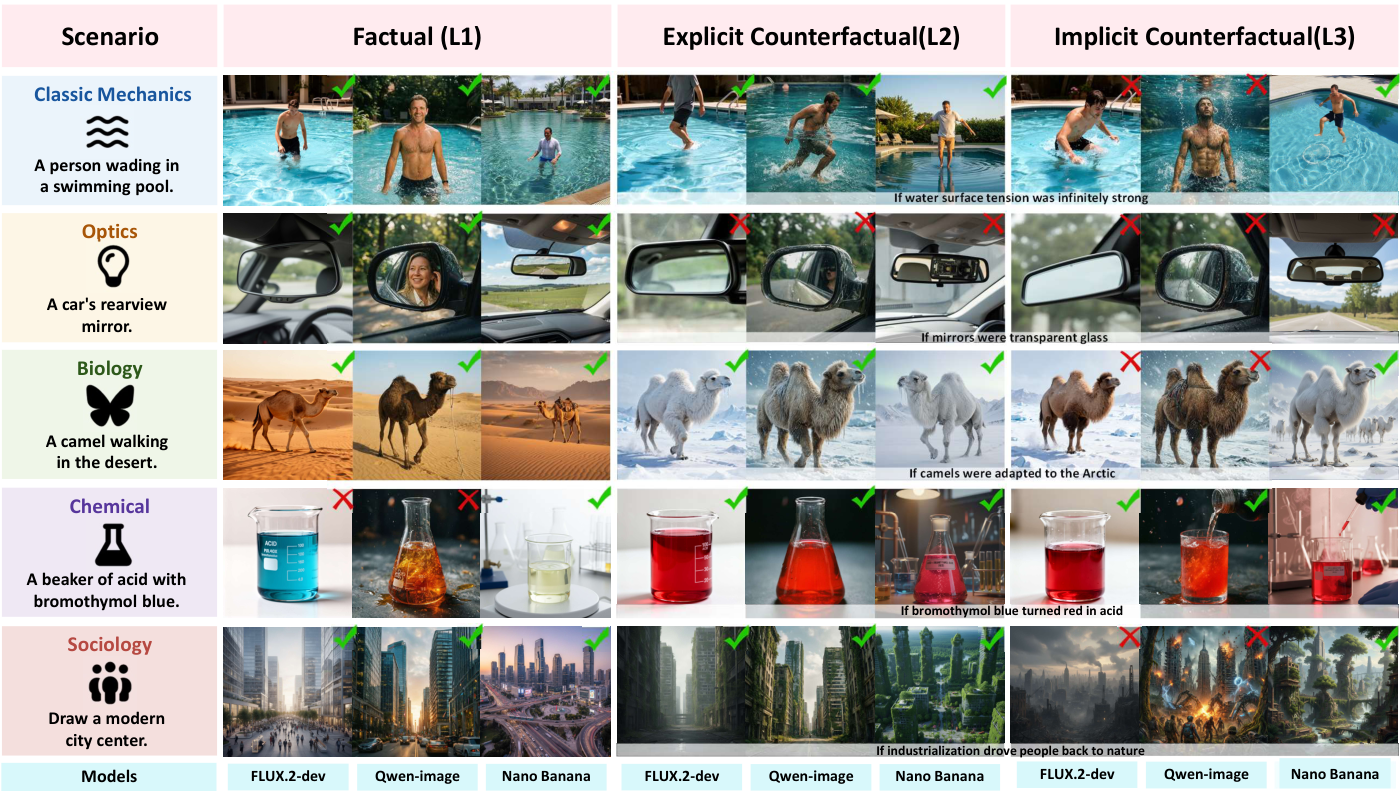 Conference on Neural Information Processing Systems (NeurIPS), Evaluations and Datasets Track, 2026Poster
 - NeurIPS
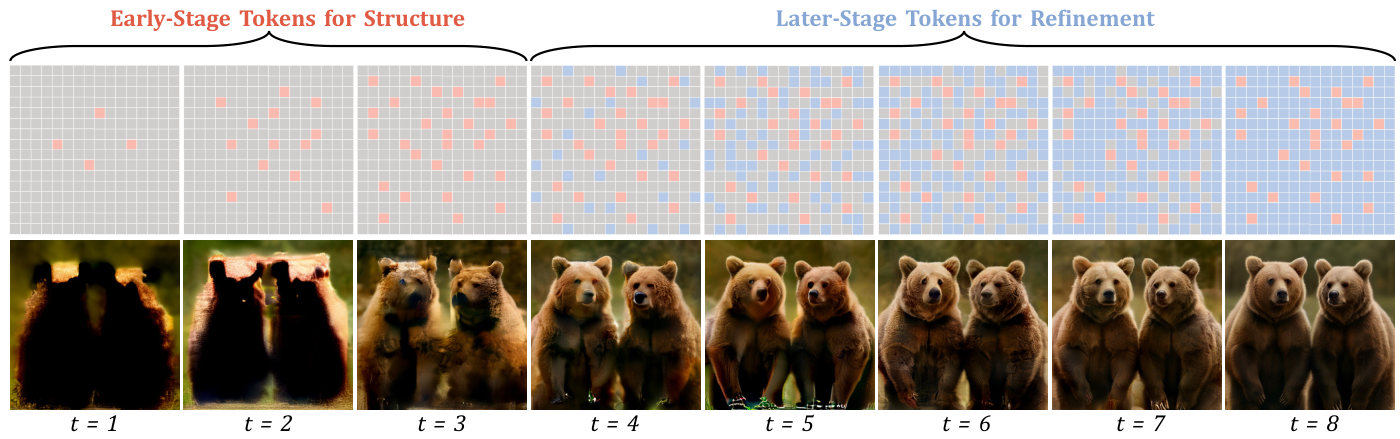 Conference on Neural Information Processing Systems (NeurIPS), 2026Poster
 - arXiv
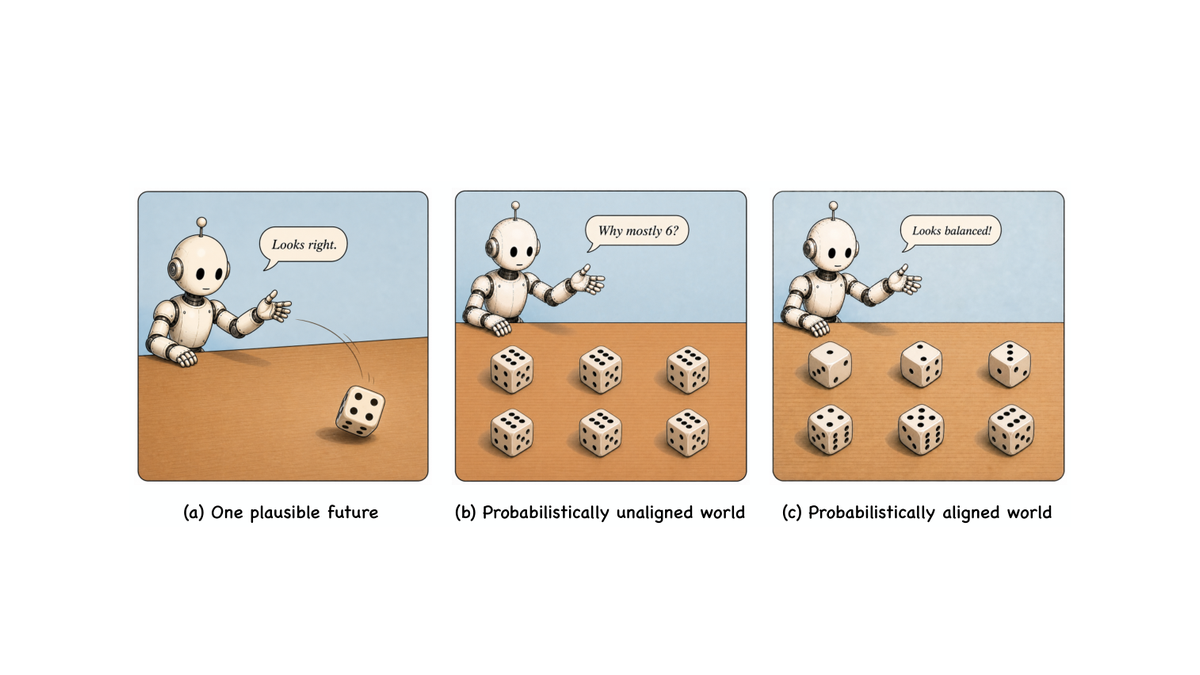 arXiv preprint arXiv:2608.27345, 2026
 - arXiv
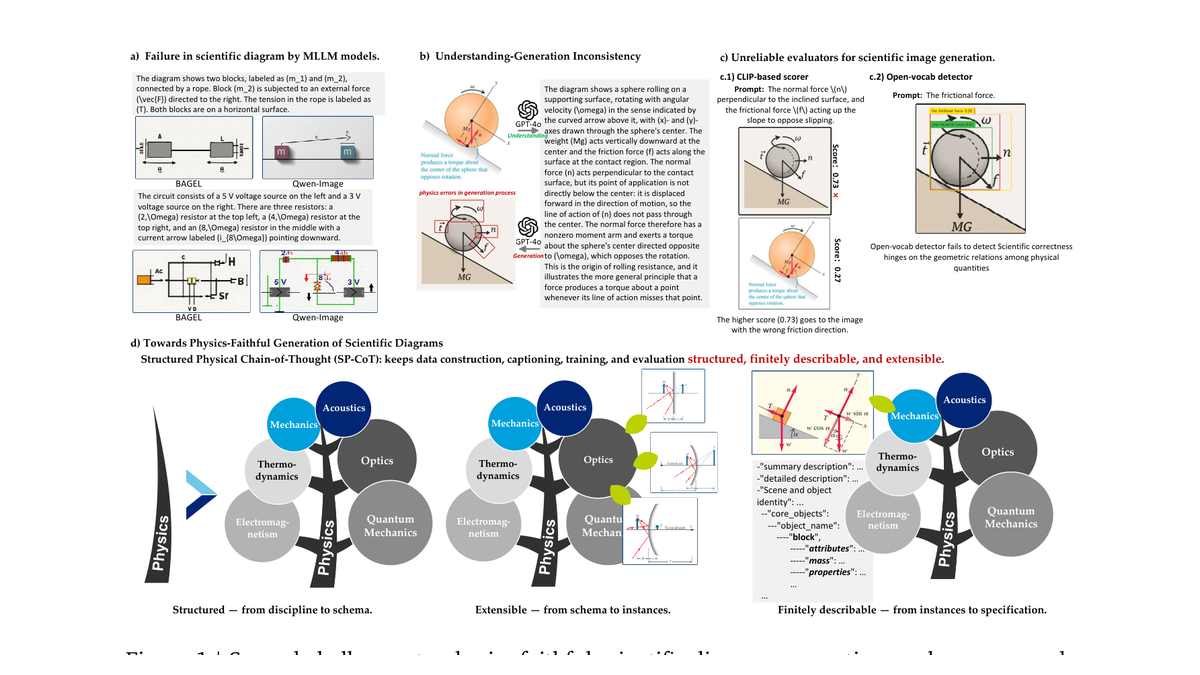 arXiv preprint arXiv:2608.13112, 2026
 - arXiv
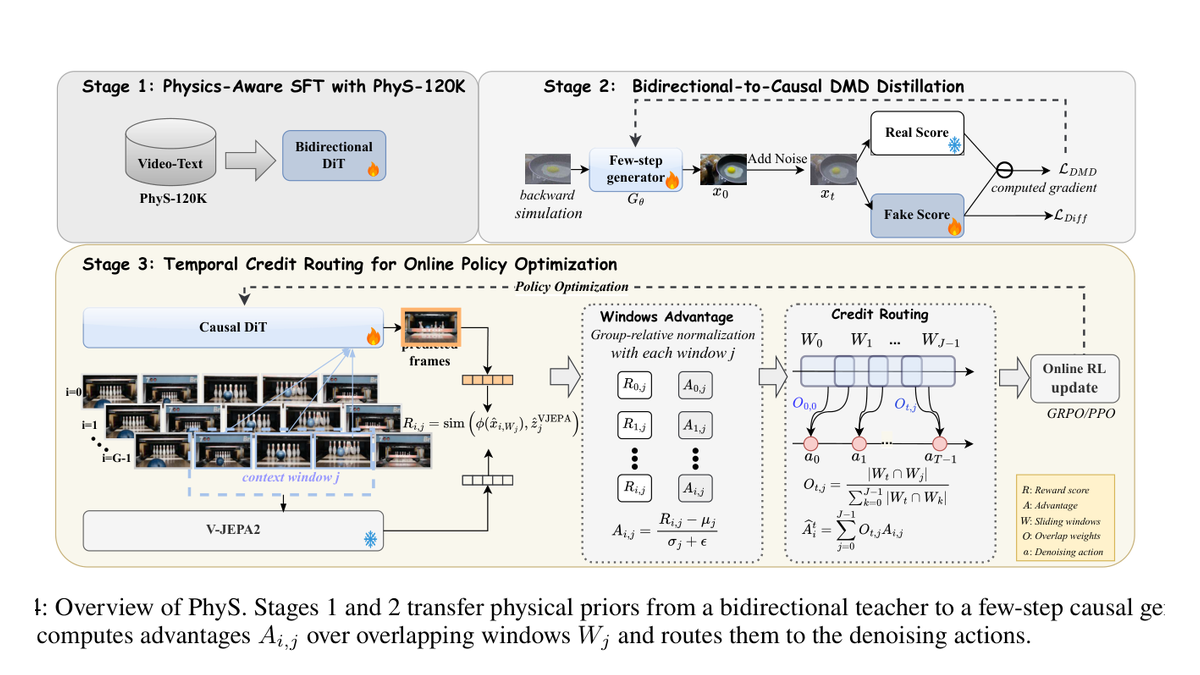 arXiv preprint arXiv:2608.07981, 2026
 - arXiv
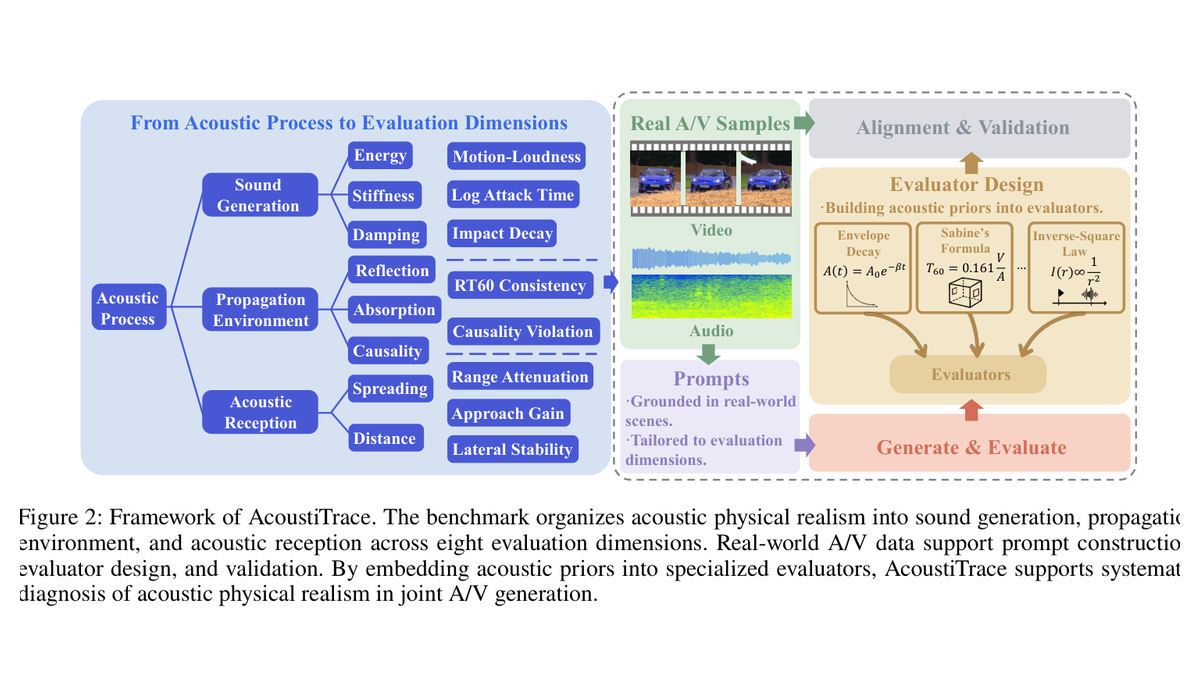 arXiv preprint arXiv:2608.02035, 2026
 - arXiv
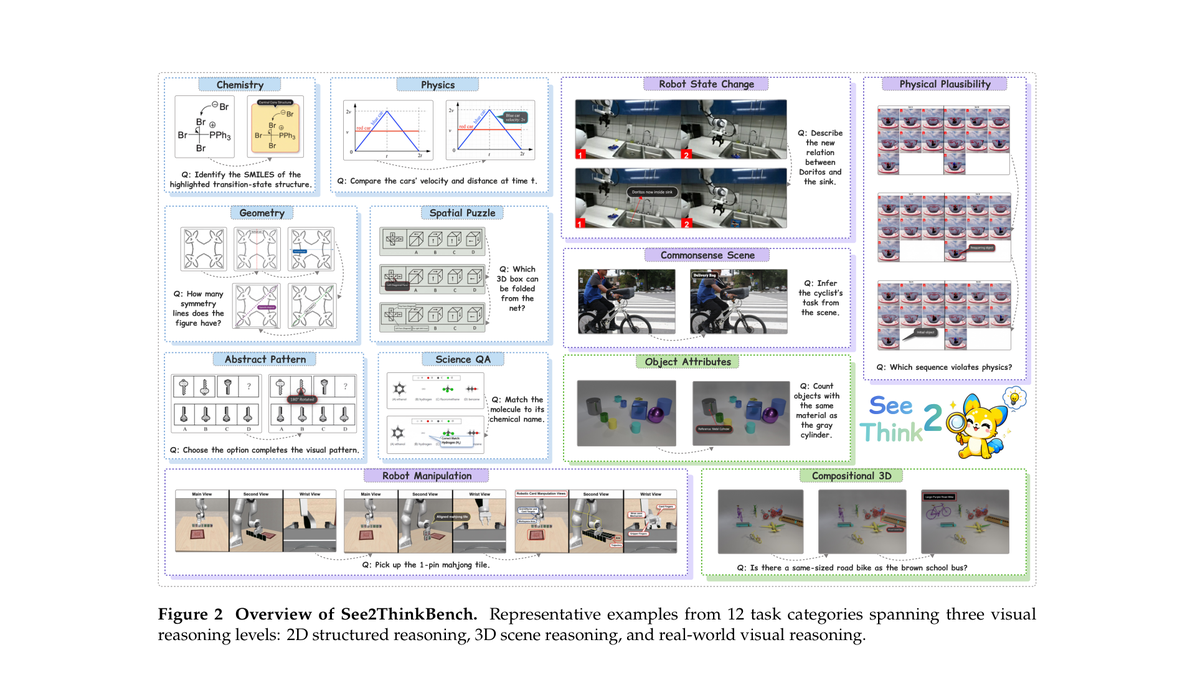 arXiv preprint arXiv:2607.26769, 2026
 - arXiv
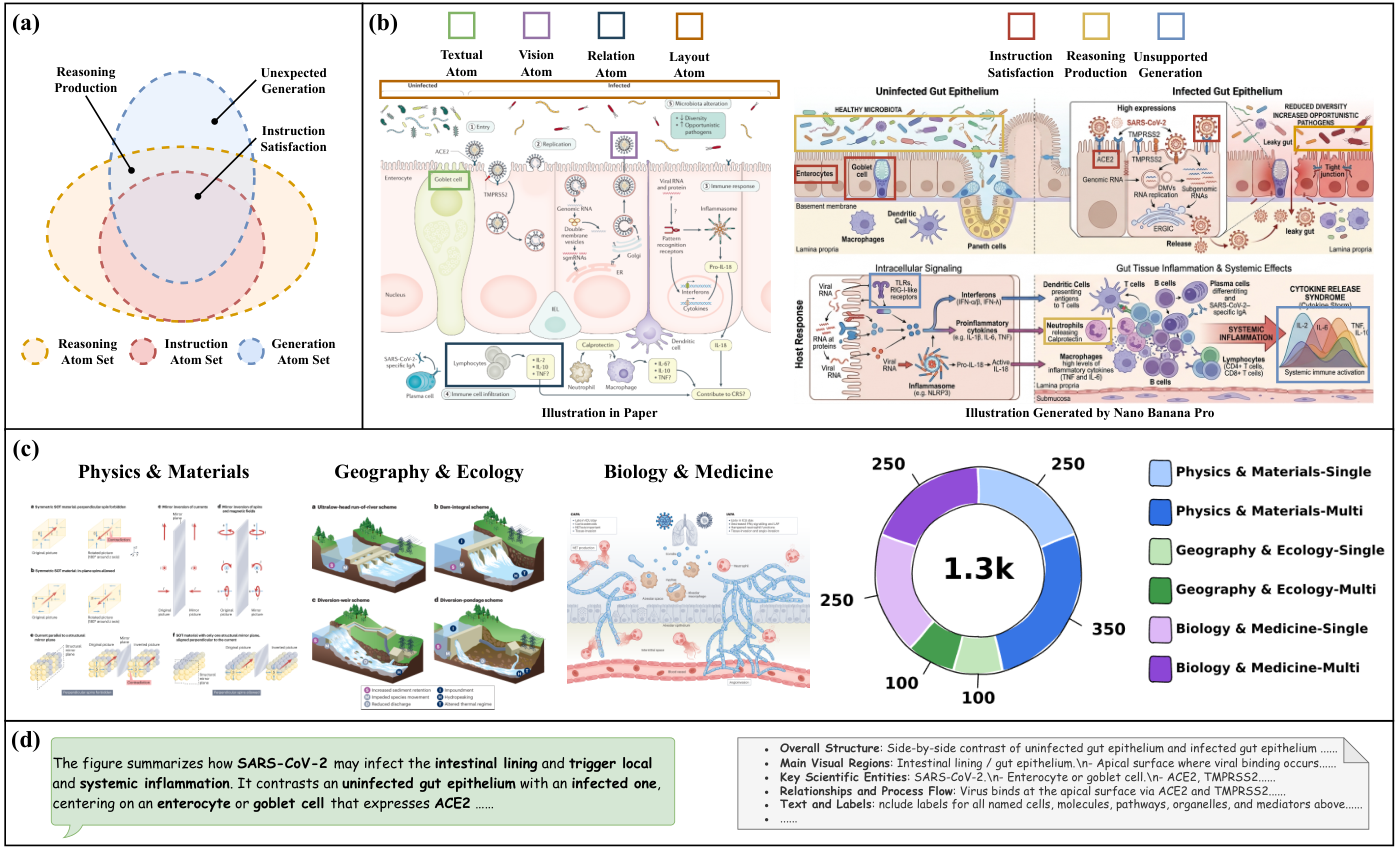 arXiv preprint arXiv:2606.05949, 2026
 - ACM MM
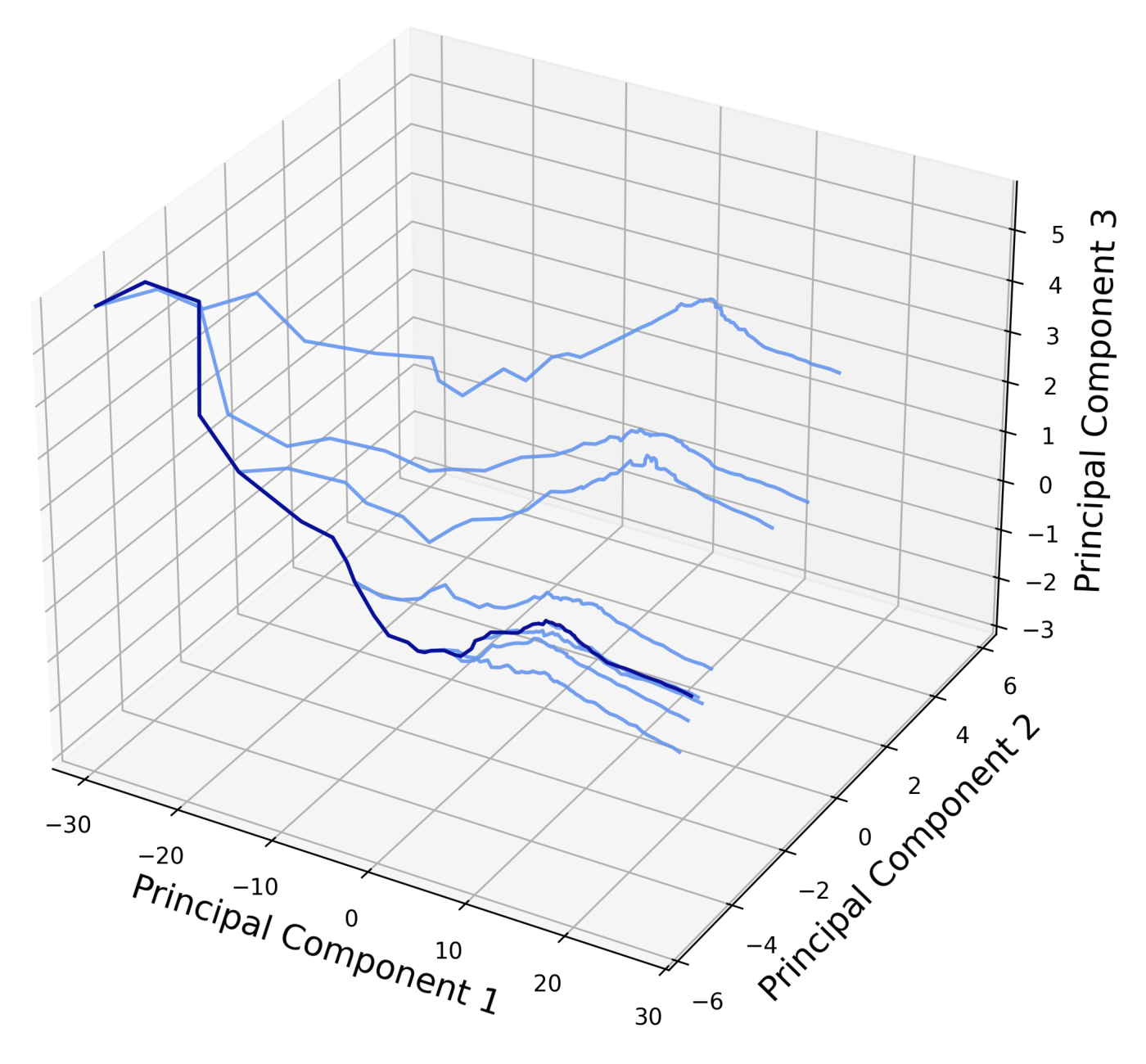 ACM International Conference on Multimedia, 2026
 - ECCV
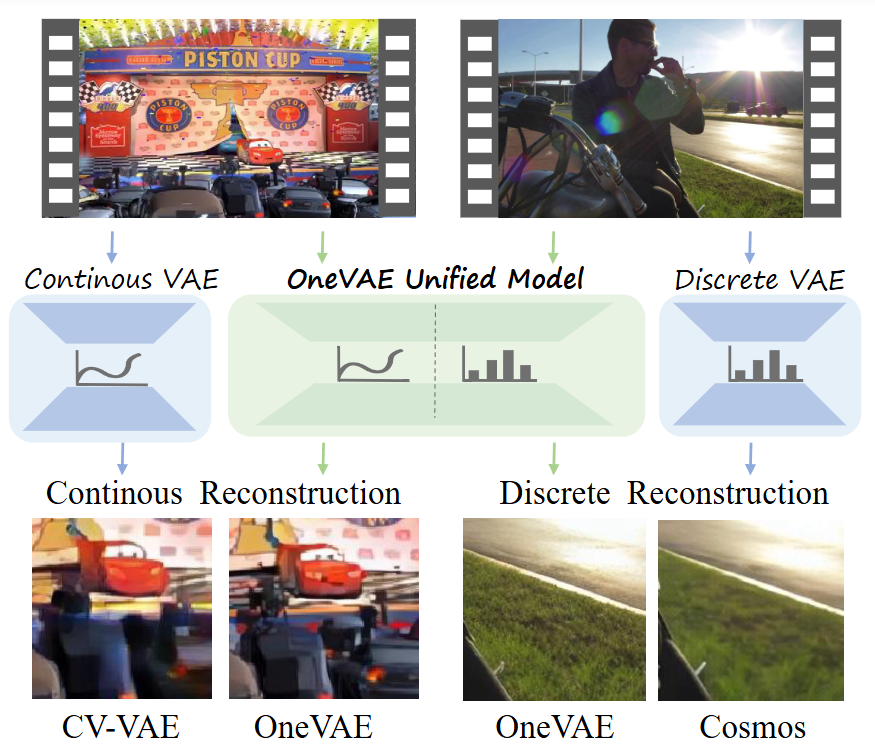 European Conference on Computer Vision, 2026
 - ECCV
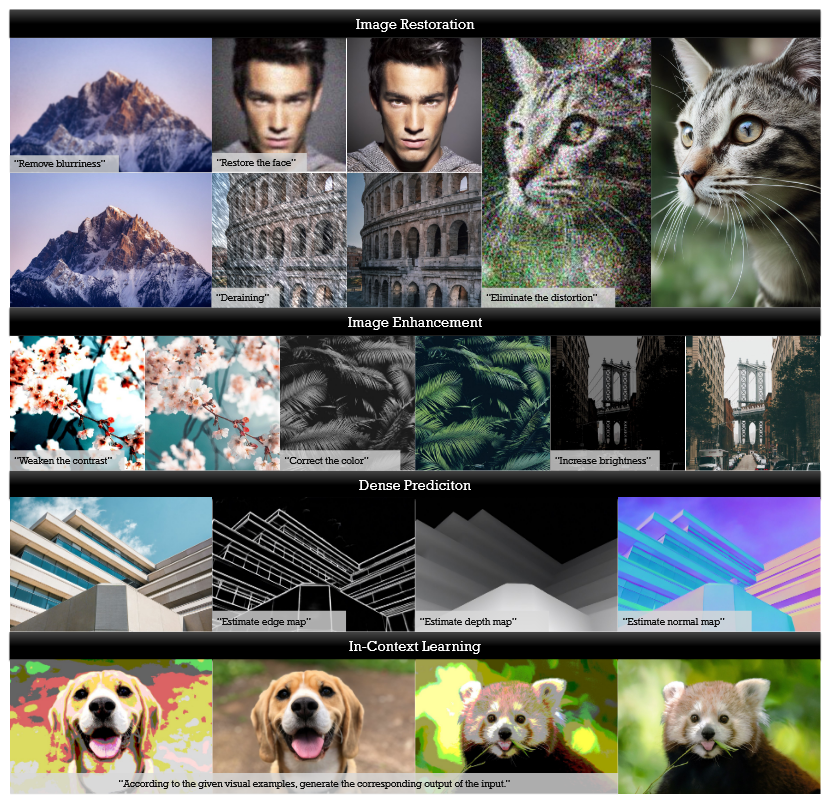 European Conference on Computer Vision, 2026
 - ICML
 International Conference on Machine Learning, 2026
 - ICML
 International Conference on Machine Learning, 2026
 - CVPR
 IEEE/CVF Conference on Computer Vision and Pattern Recognition, 2026
 - CVPR
 IEEE/CVF Conference on Computer Vision and Pattern Recognition, 2026
 - CVPR
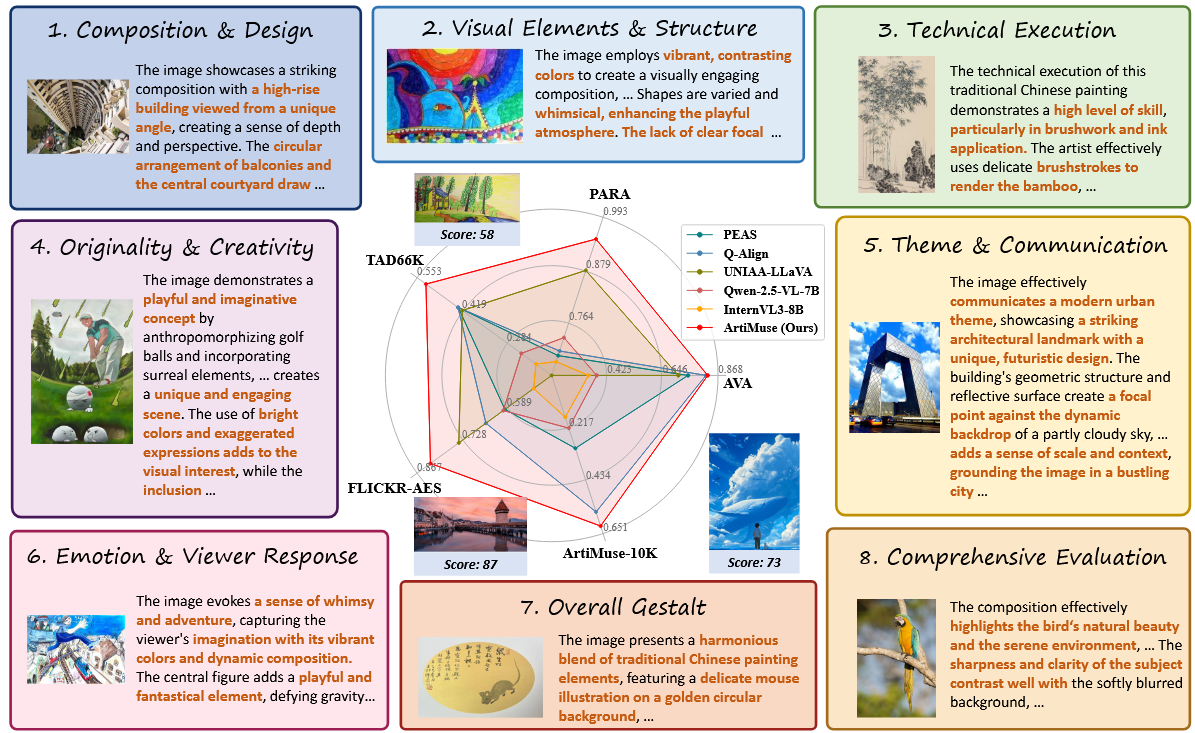 Artimuse: Fine-grained image aesthetics assessment with joint scoring and expert-level understandingIEEE/CVF Conference on Computer Vision and Pattern Recognition, 2026
 - ICLR
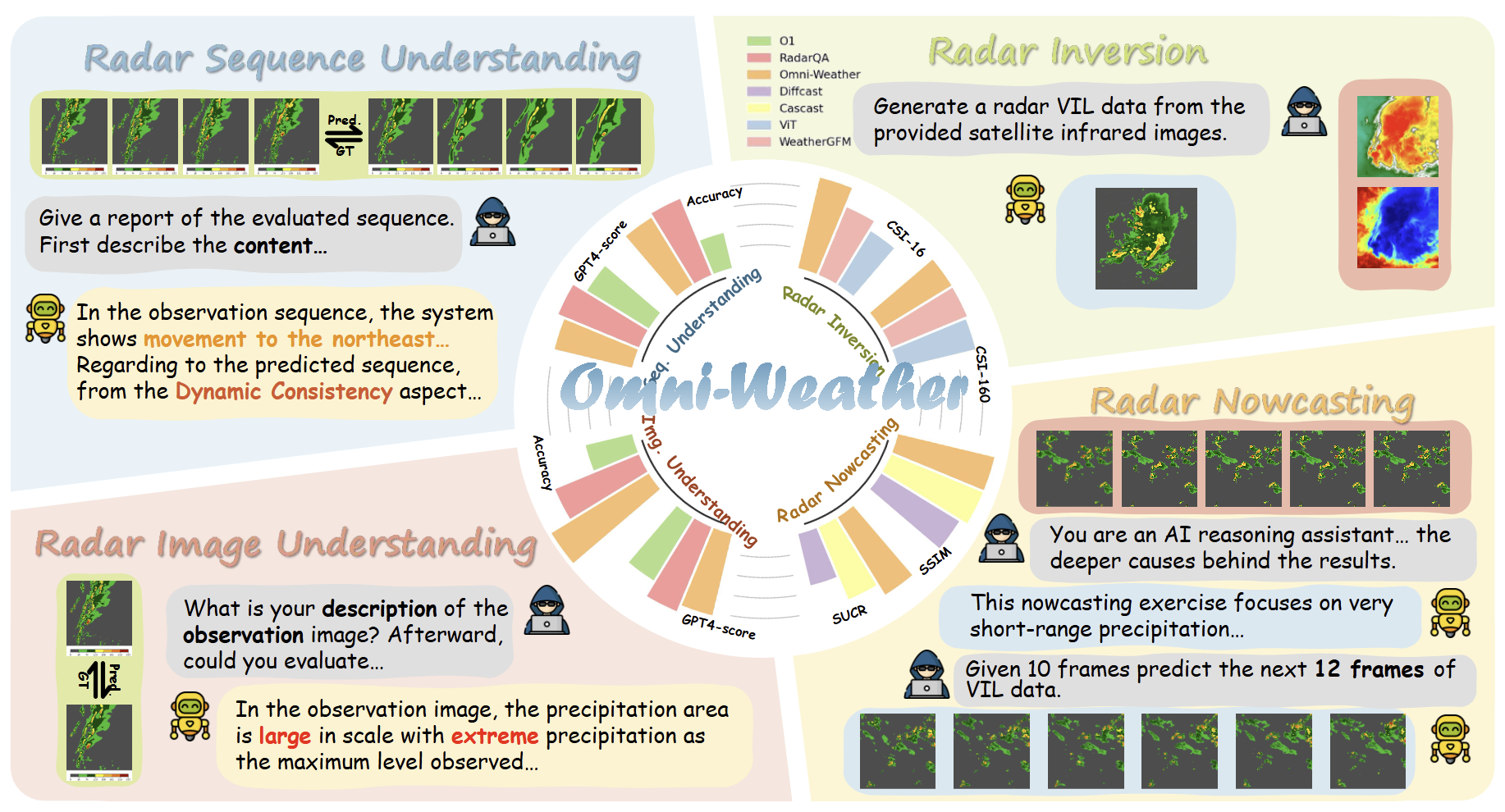 International Conference on Learning Representations, 2026
 - ICLR
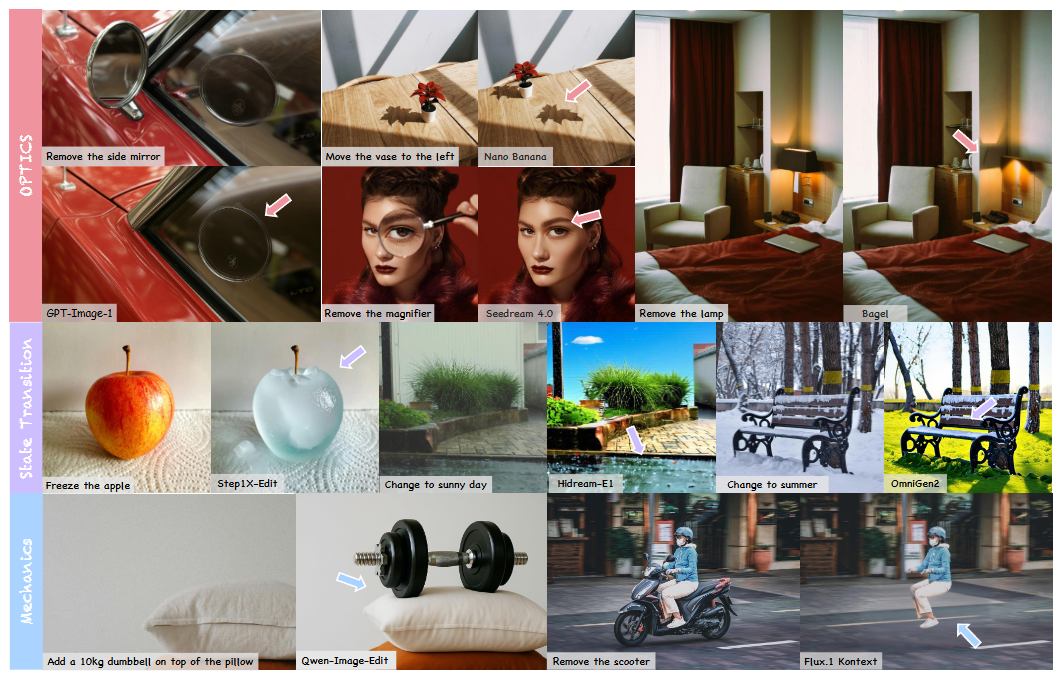 International Conference on Learning Representations, 2026
 - ICLR
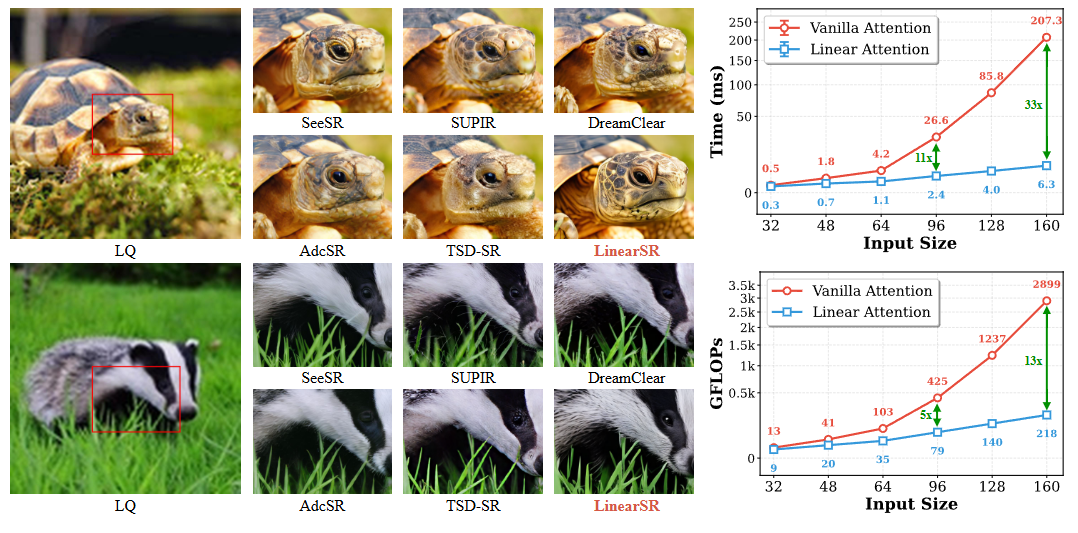 International Conference on Learning Representations, 2026
 - ICLR
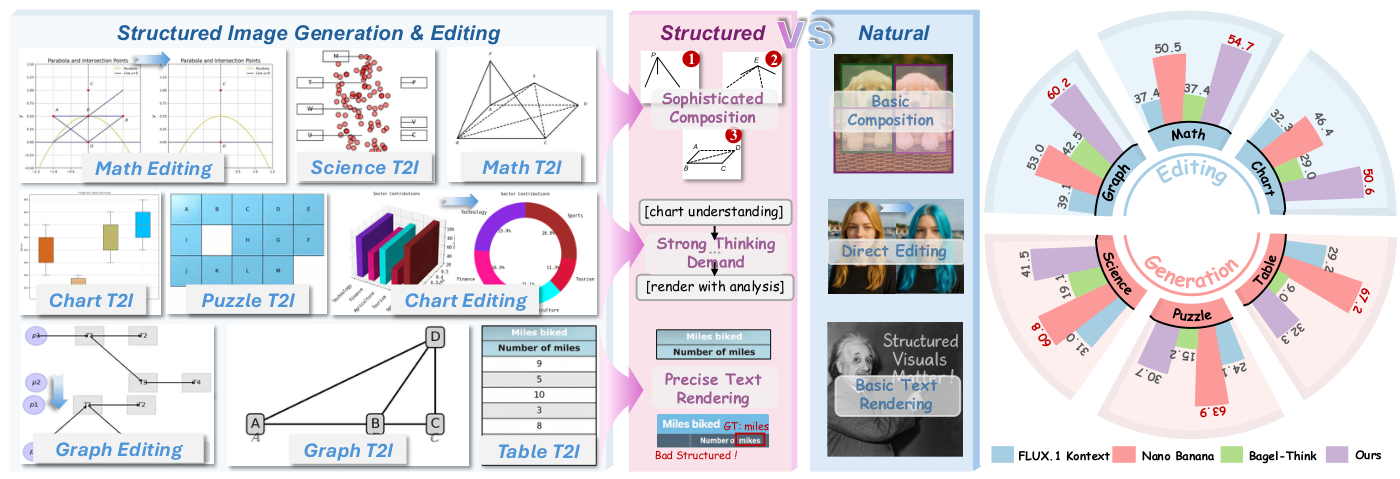 International Conference on Learning Representations, 2026
 - arXiv
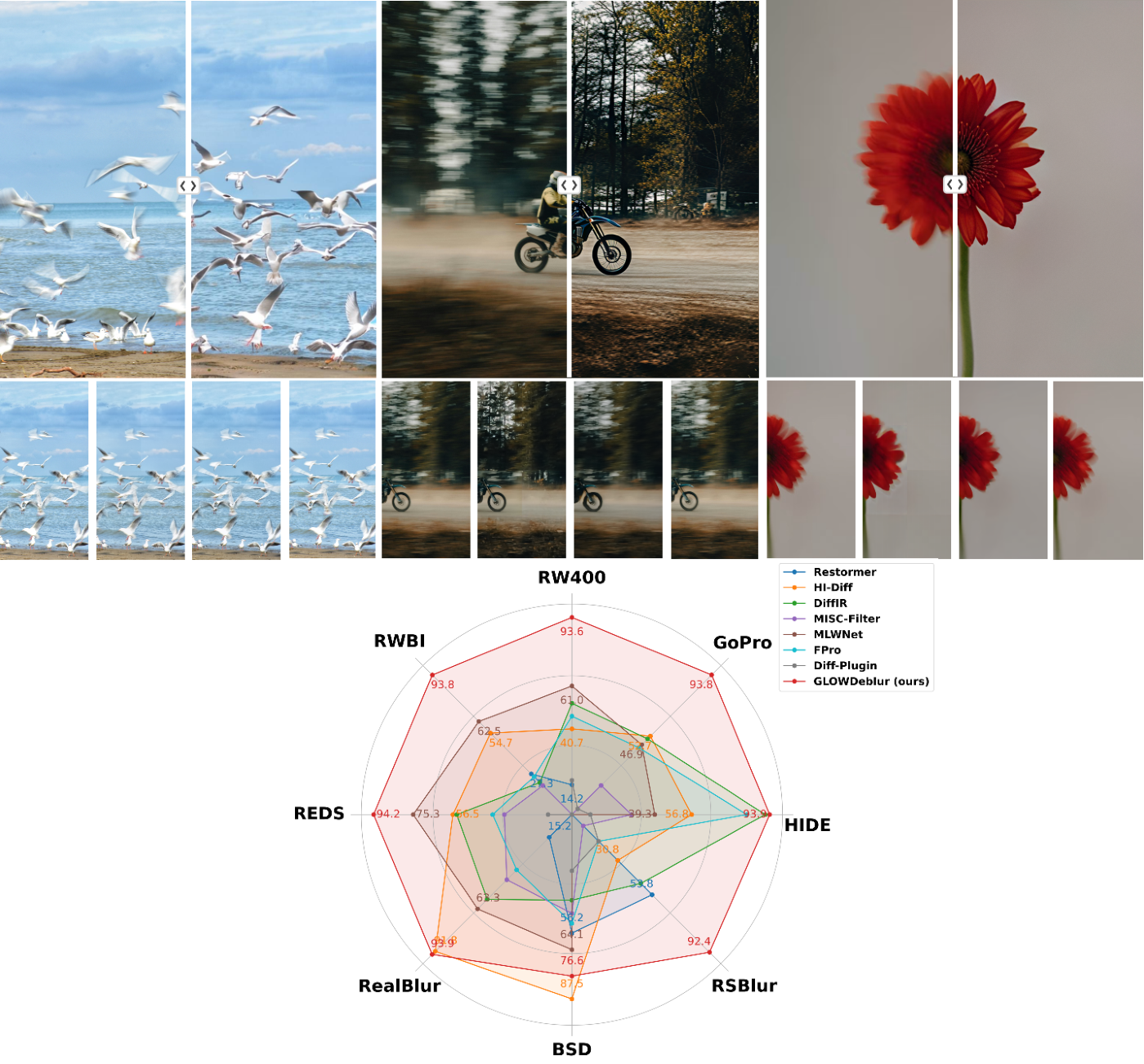 arXiv preprint arXiv:2601.06525, 2026


2025
- AAAI
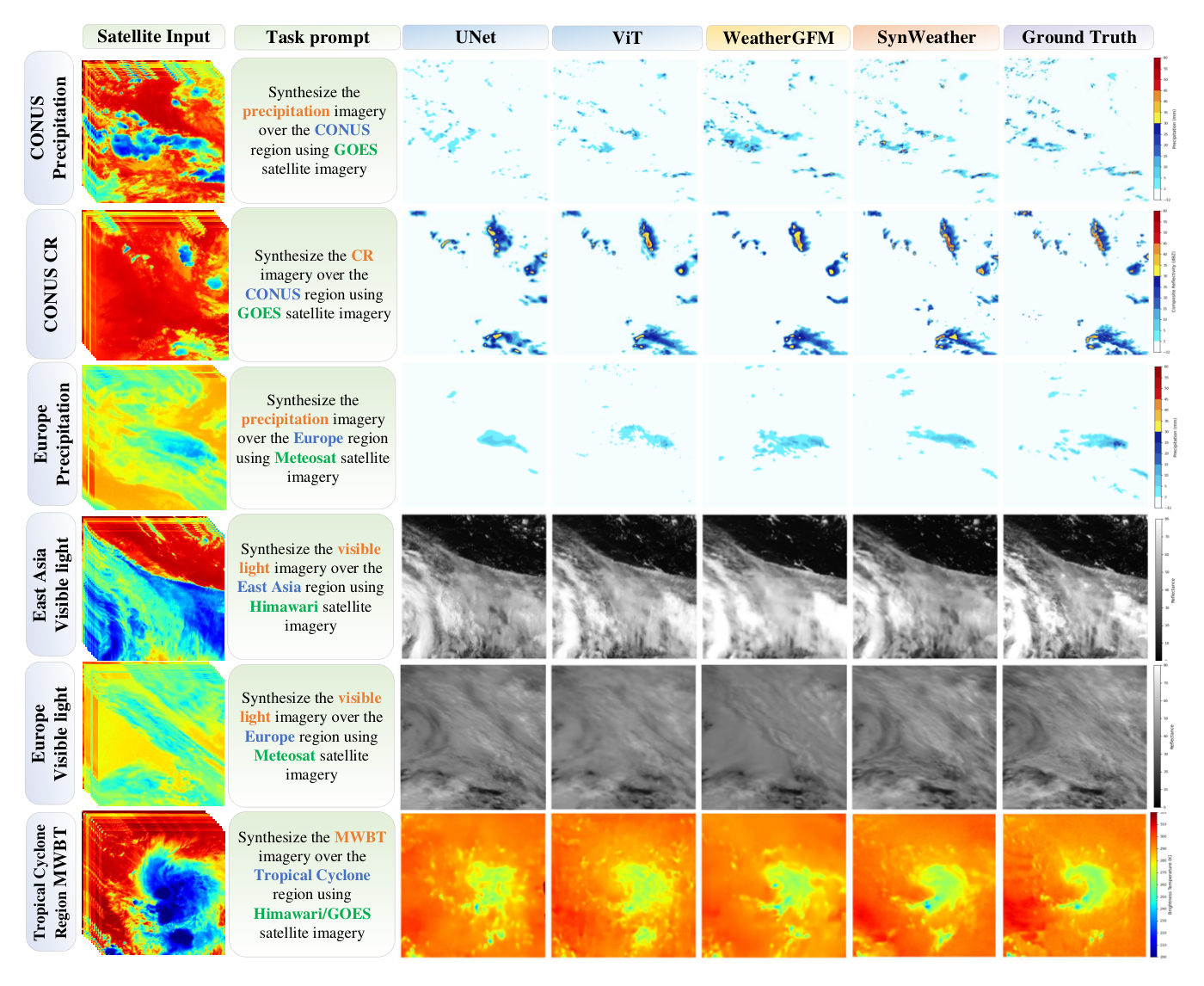 AAAI Conference on Artificial Intelligence, 2025
 - ICCV
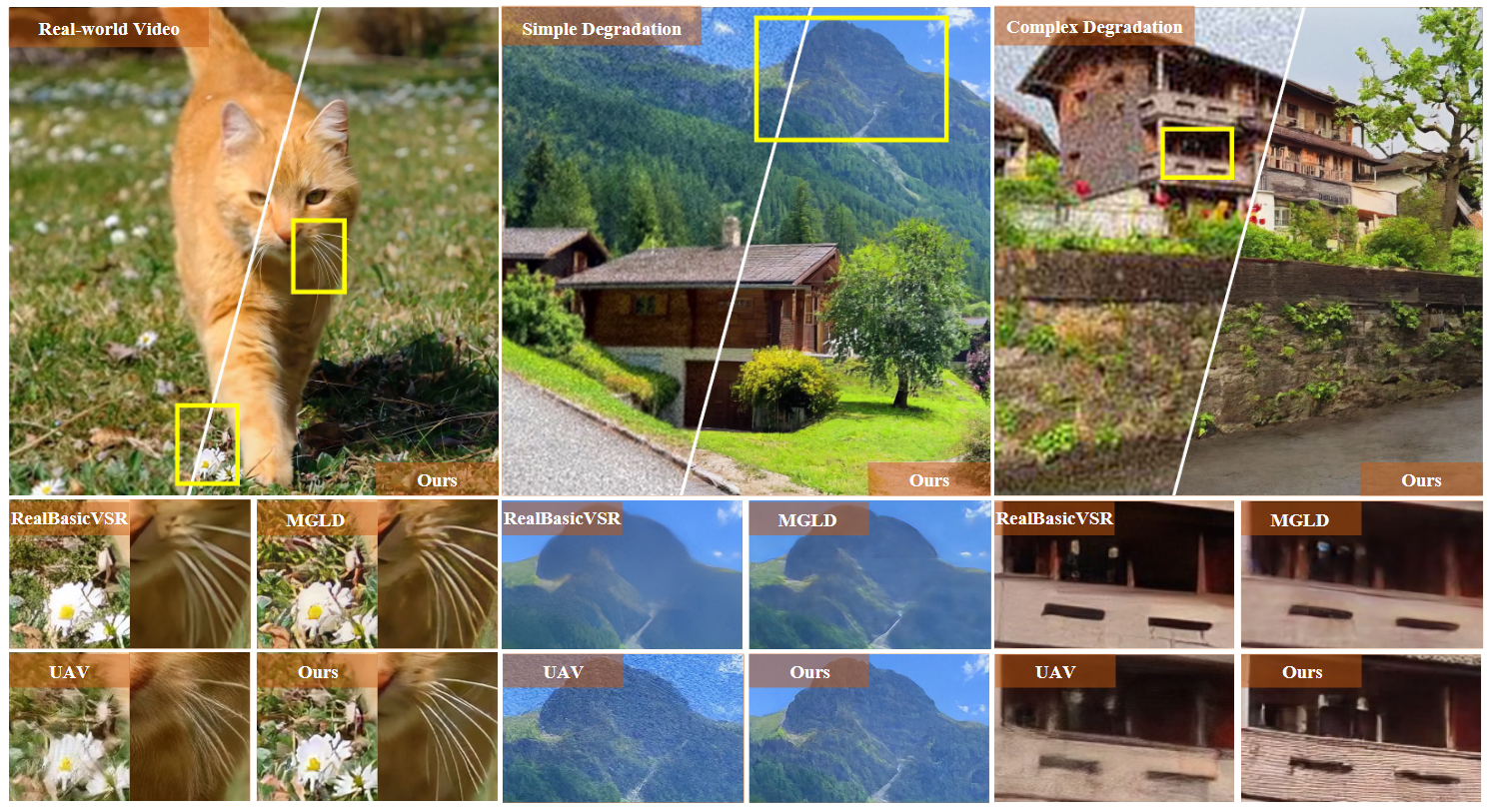 IEEE/CVF International Conference on Computer Vision, 2025
 - TIP
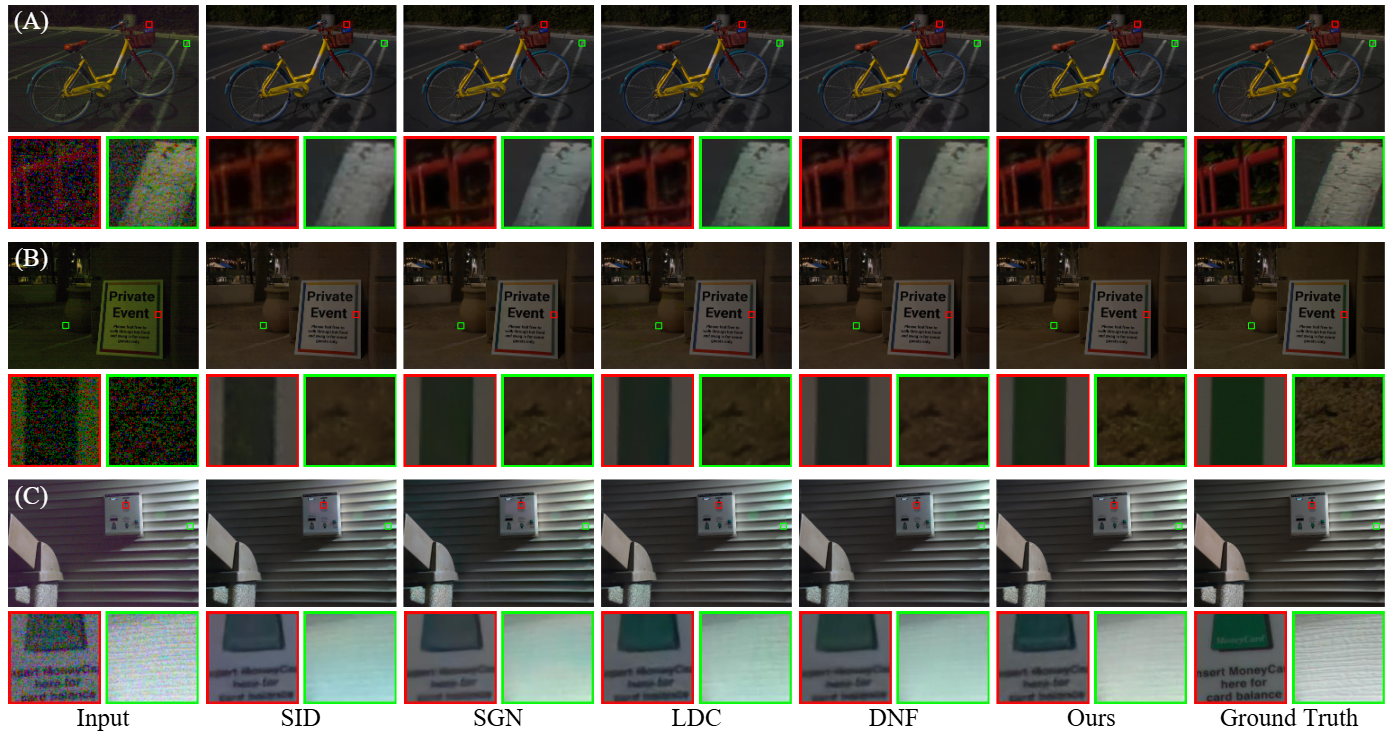 IEEE Transactions on Image Processing, 2025
 - arXiv
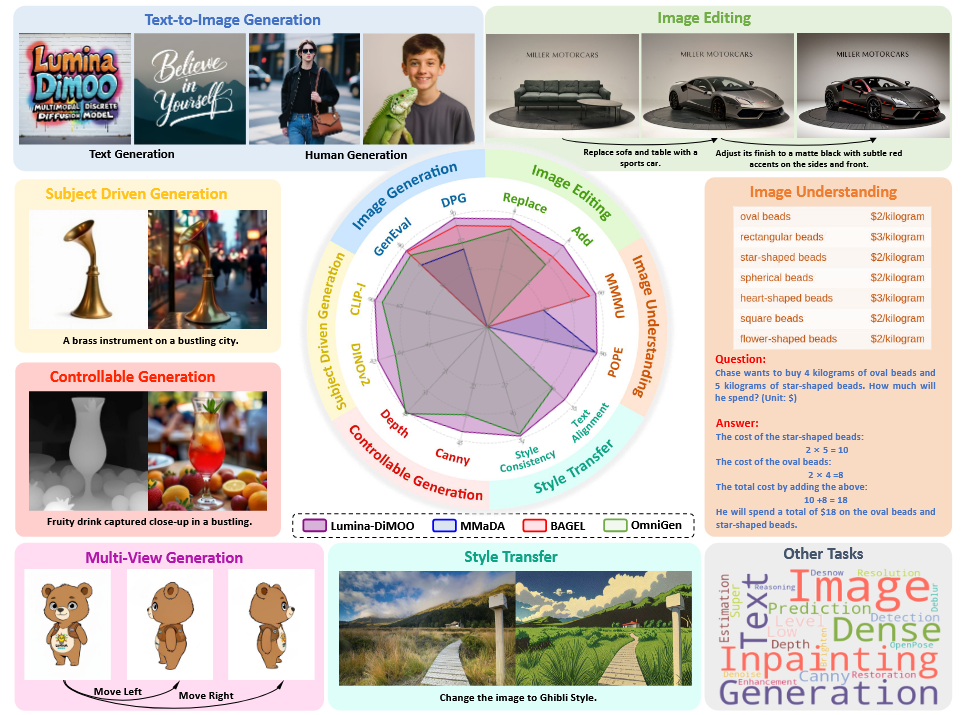 arXiv preprint arXiv:2510.06308, 2025
 - arXiv
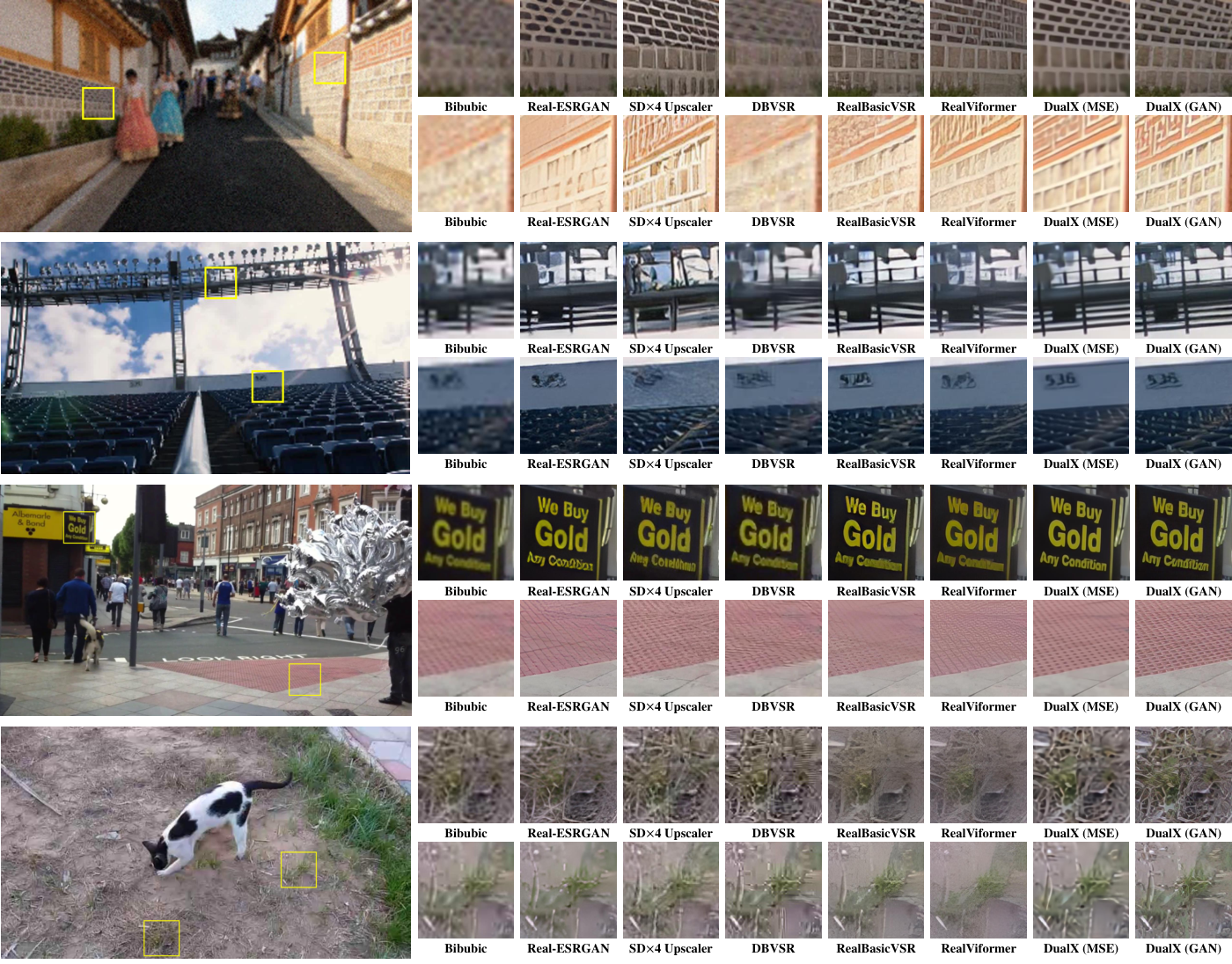 arXiv preprint arXiv:2506.04830, 2025
 - ICLR
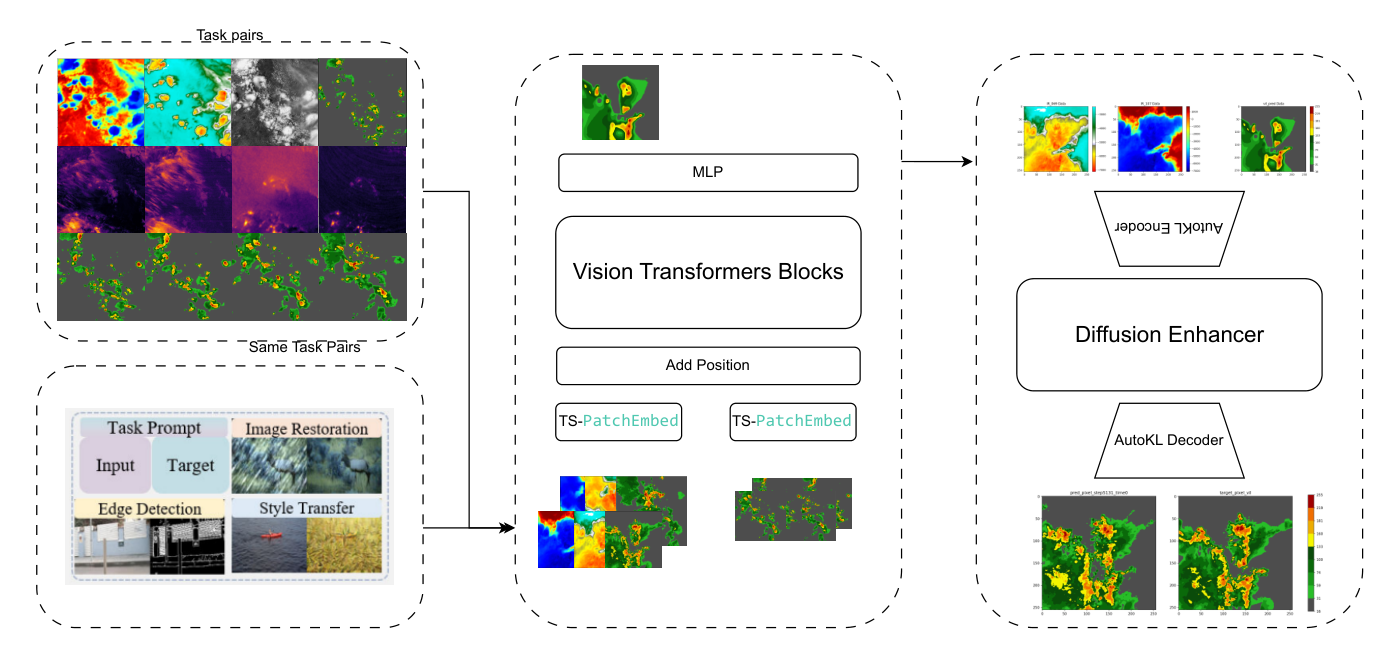 International Conference on Learning Representations, 2025


2024
- ACM MM
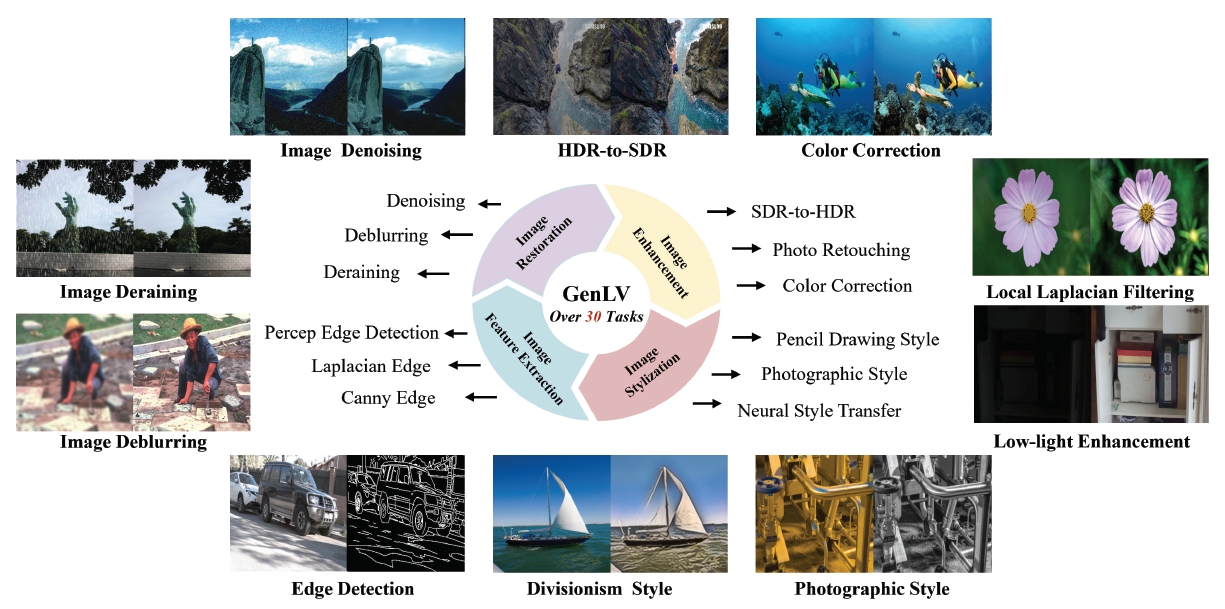 In Proceedings of the 32nd ACM International Conference on Multimedia, 2024
 - ECCV
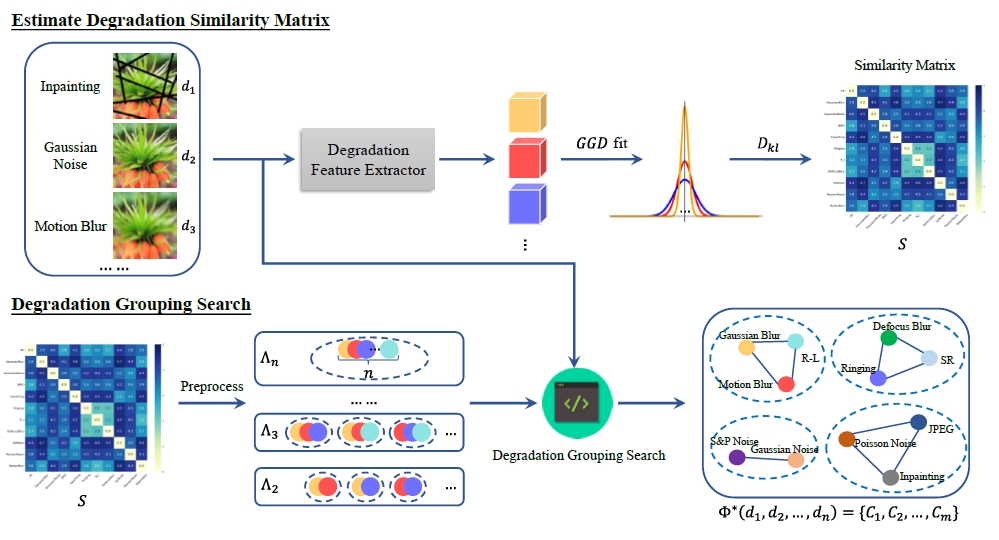 In European Conference on Computer Vision, 2024
 - ECCV
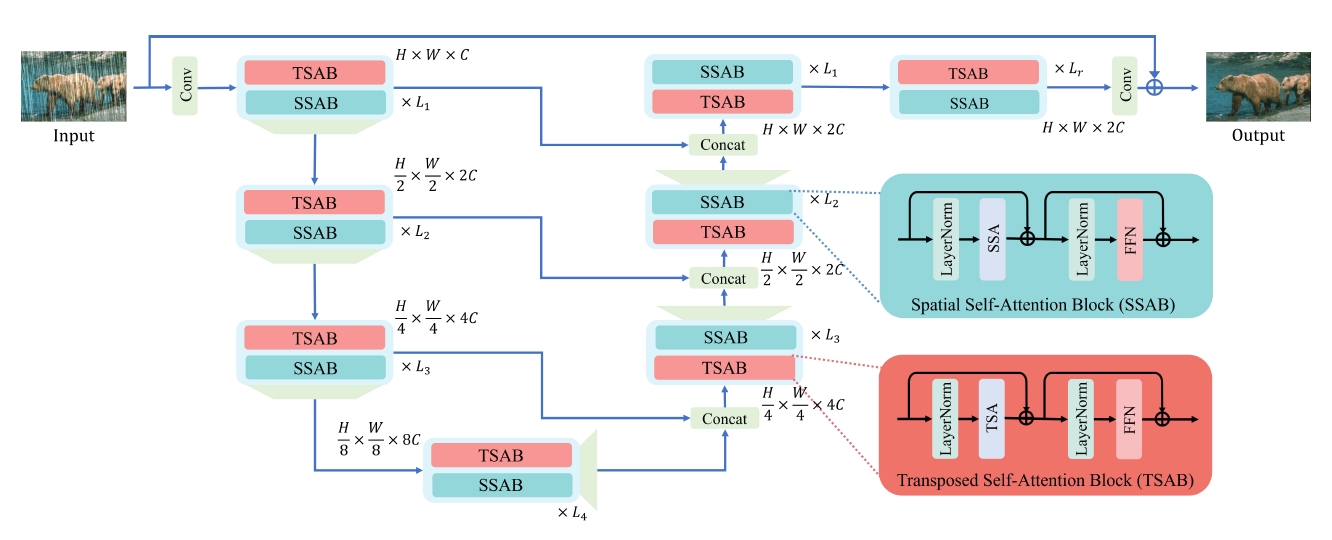 In European Conference on Computer Vision, 2024
 - ICML
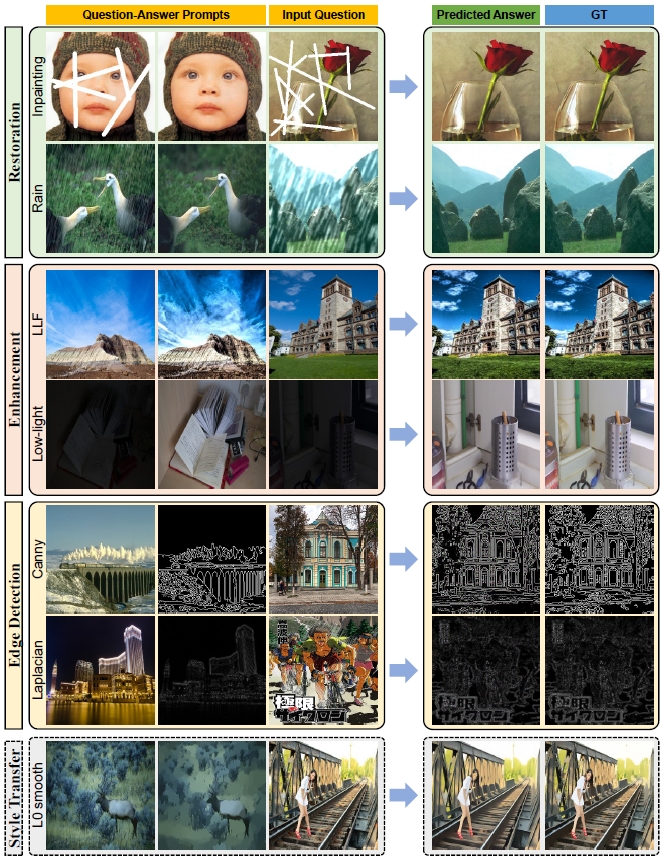 In Proceedings of the 41st International Conference on Machine Learning (ICML), 2024
 - CVMJ
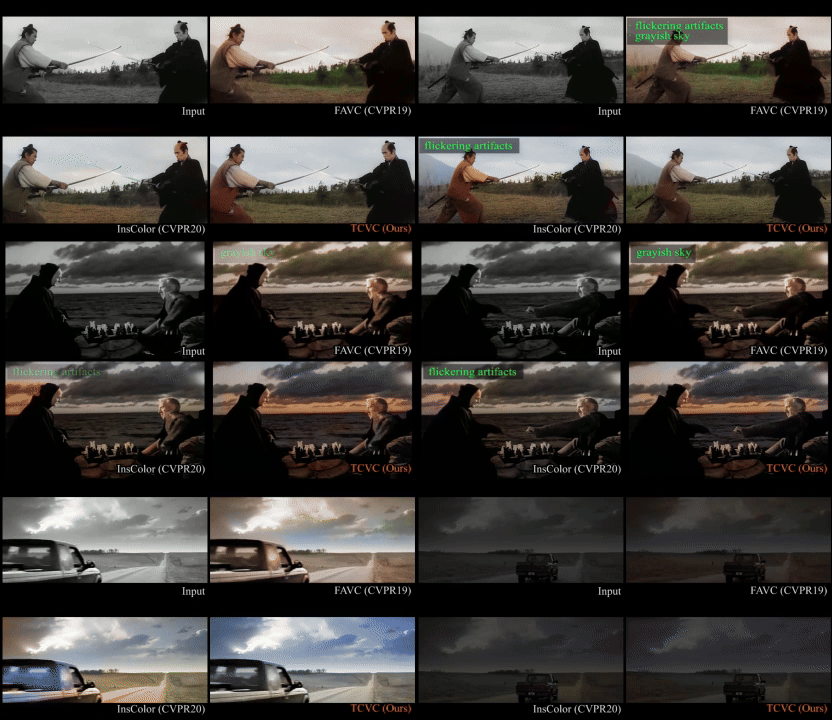 Computational Visual Media, 2024
 - arXiv
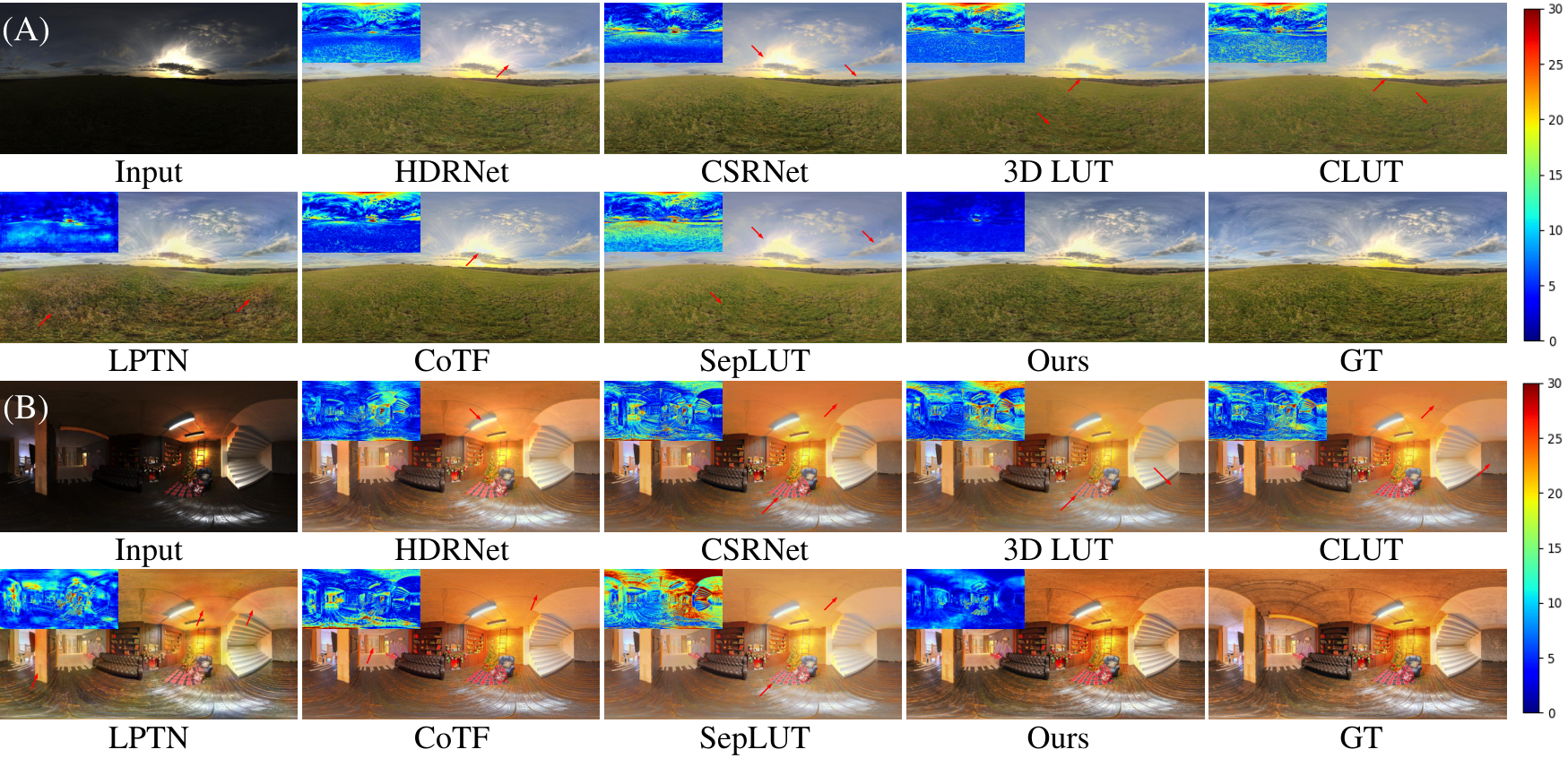 arXiv preprint arXiv:2412.01463, 2024


2023
- TPAMI
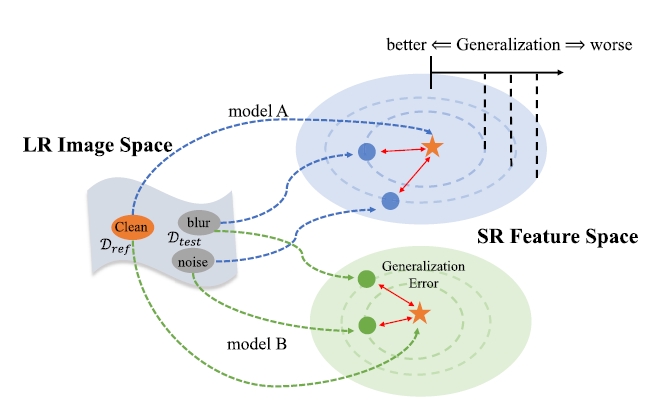 IEEE Transactions on pattern analysis and machine intelligence, 2023
 - TPAMI
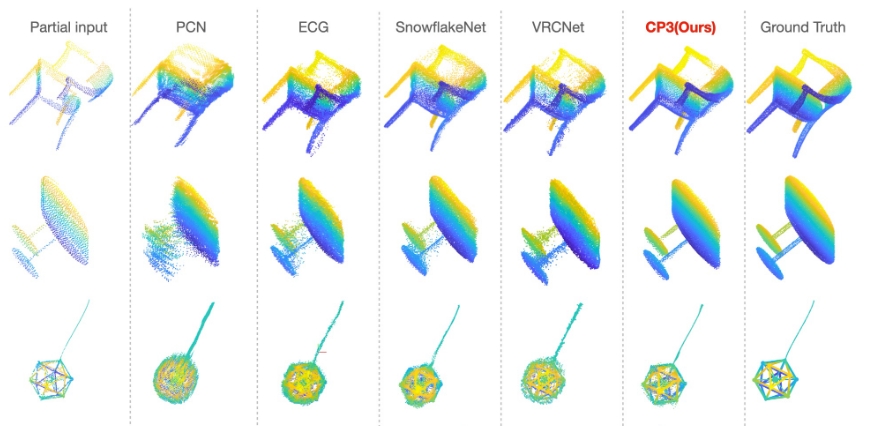 IEEE Transactions on Pattern Analysis and Machine Intelligence, 2023
 - CVPR
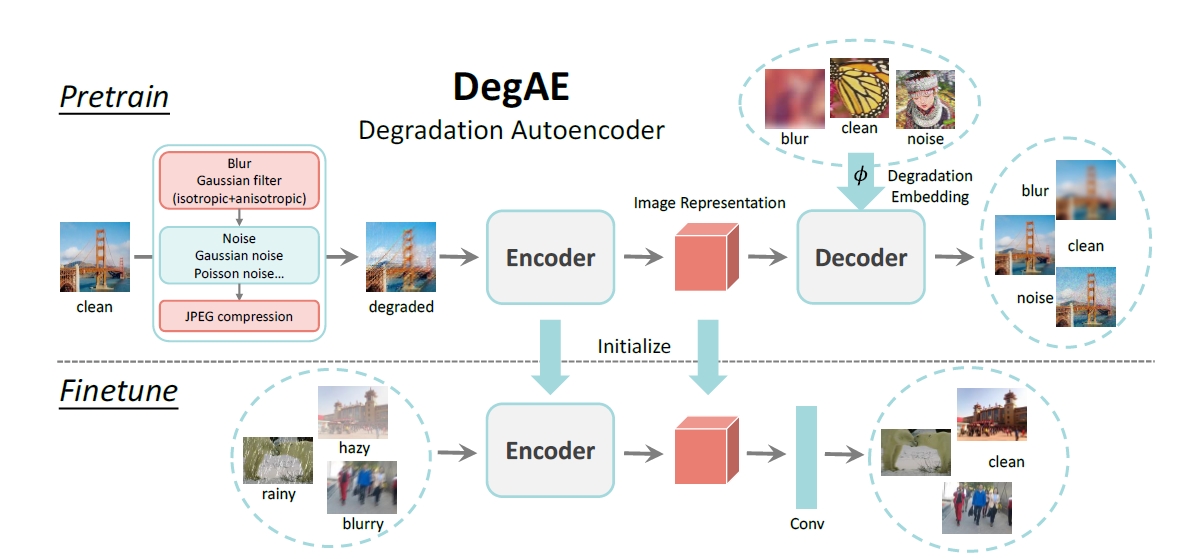 In Proceedings of the IEEE/CVF Conference on Computer Vision and Pattern Recognition, 2023
 - CVPR
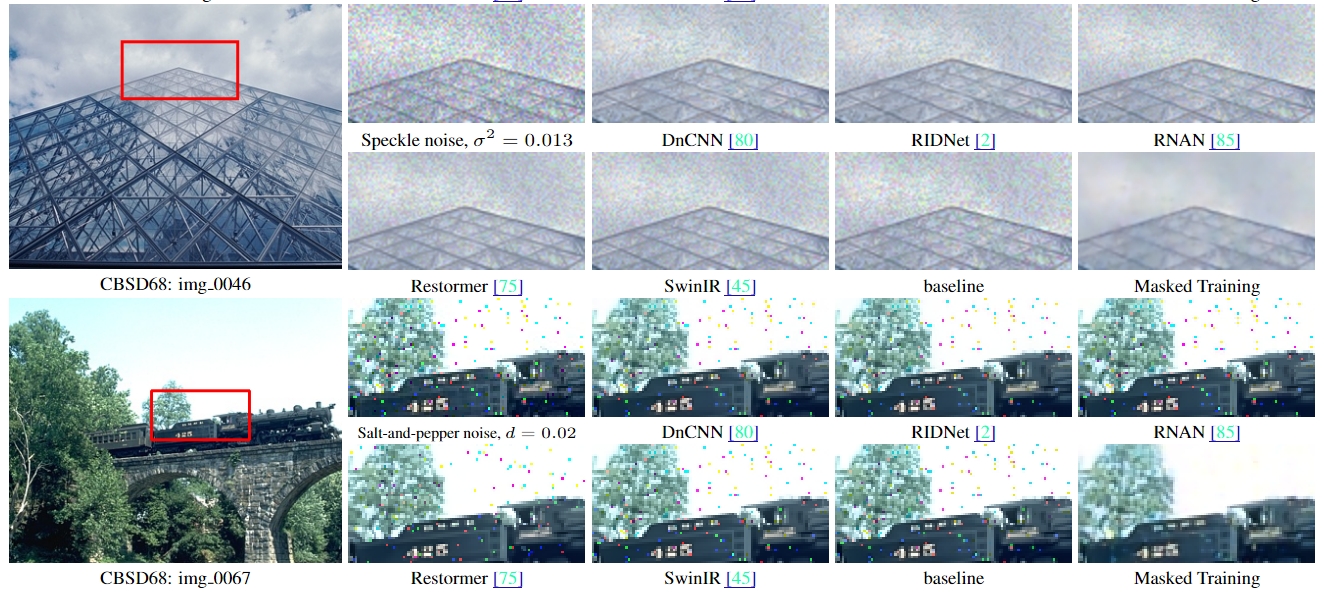 In Proceedings of the IEEE/CVF Conference on Computer Vision and Pattern Recognition, 2023


2022
- TMM
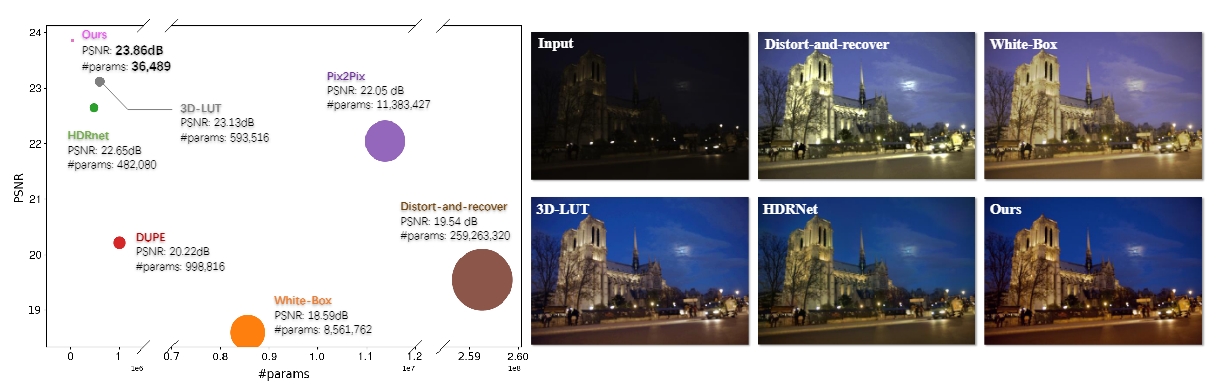 IEEE Transactions on Multimedia, 2022
 - TPAMI
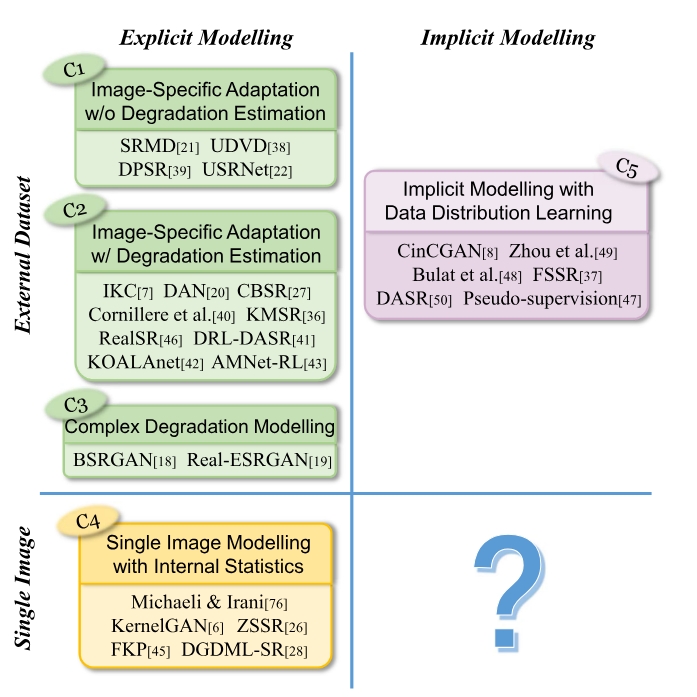 IEEE transactions on pattern analysis and machine intelligence, 2022


2021
- TPAMI
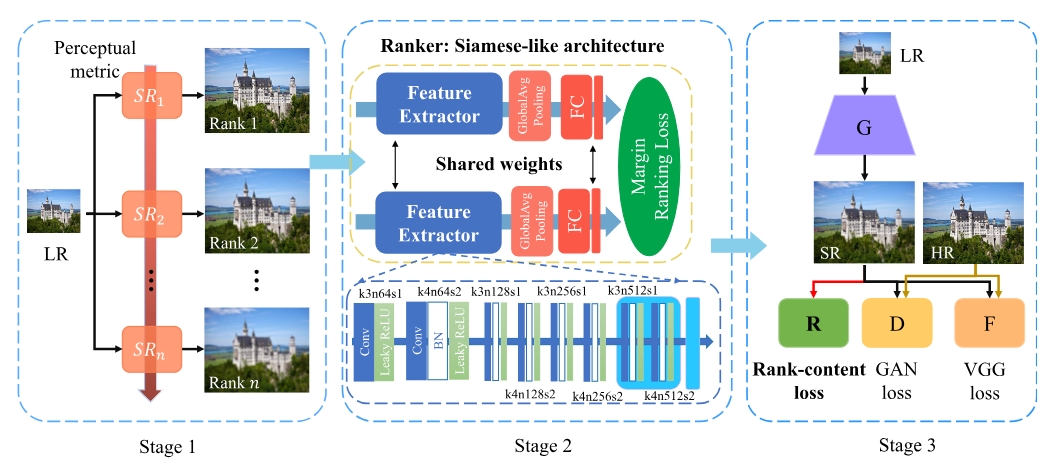 IEEE Transactions on Pattern Analysis and Machine Intelligence, 2021
 - TPAMI
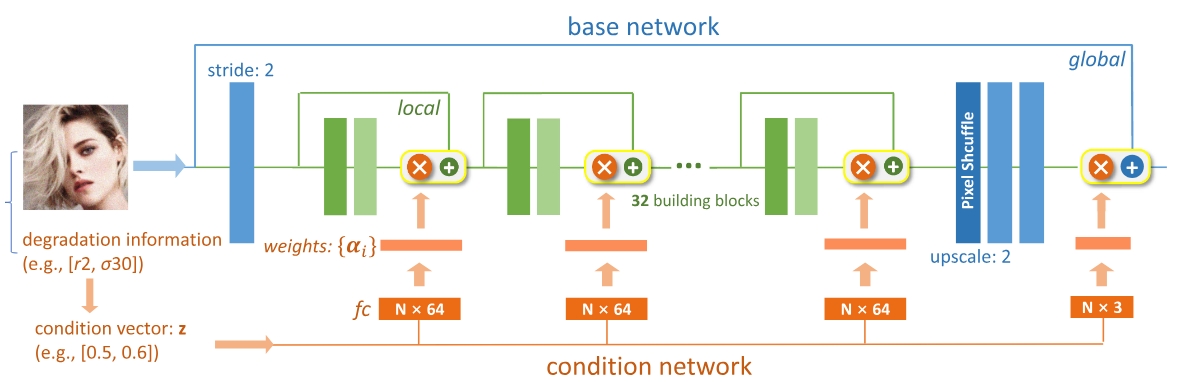 IEEE Transactions on Pattern Analysis and Machine Intelligence, 2021
 - ICCV
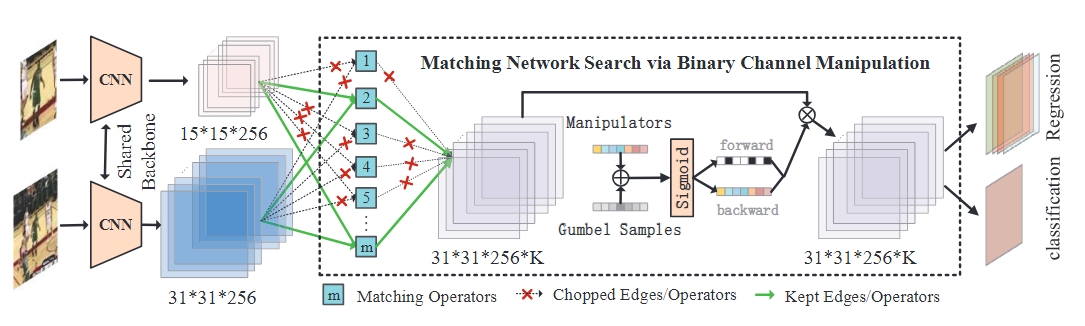 In International Conference on Computer Vision (ICCV), 2021
 - arXiv
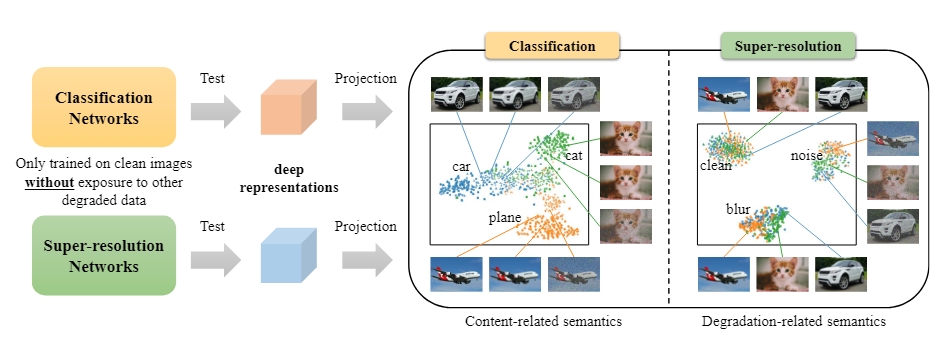


2020
- ECCV
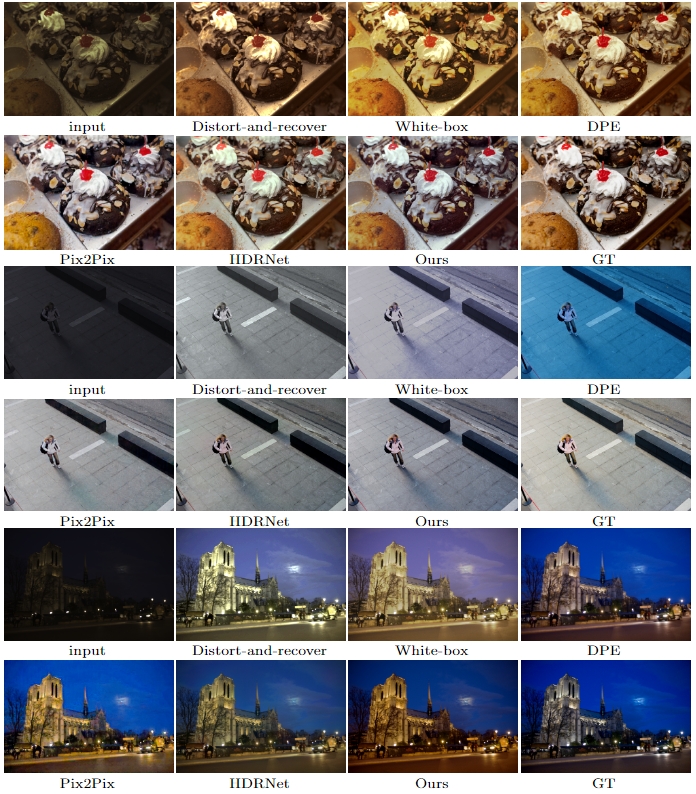 In European Conference on Computer Vision (ECCV), 2020
 - ECCVW
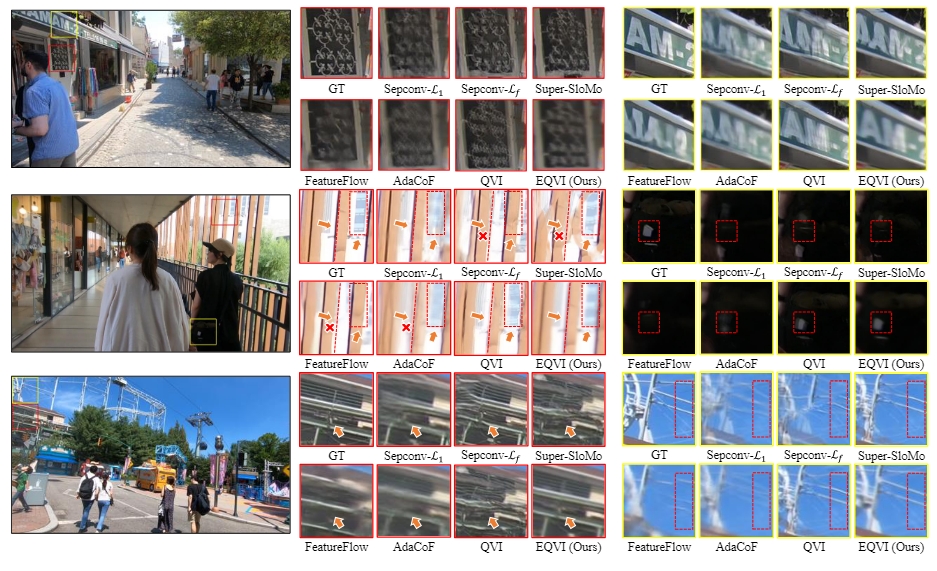 In European Conference on Computer Vision (ECCV) Workshops, 2020
 - AAAI
 In Proceedings of the AAAI Conference on Artificial Intelligence (AAAI), 2020


2019
- ICCV
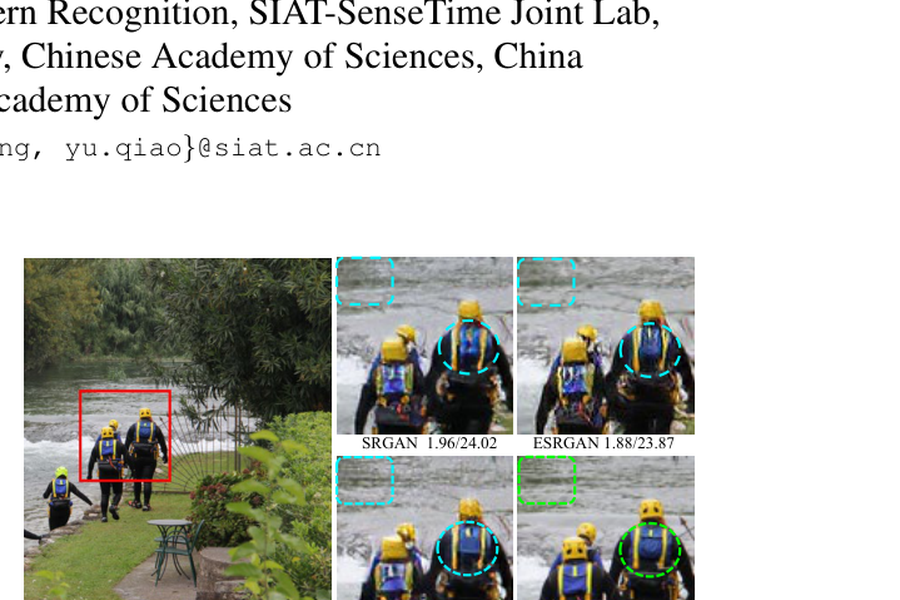 In International Conference on Computer Vision (ICCV), 2019

2018
- ECCVW
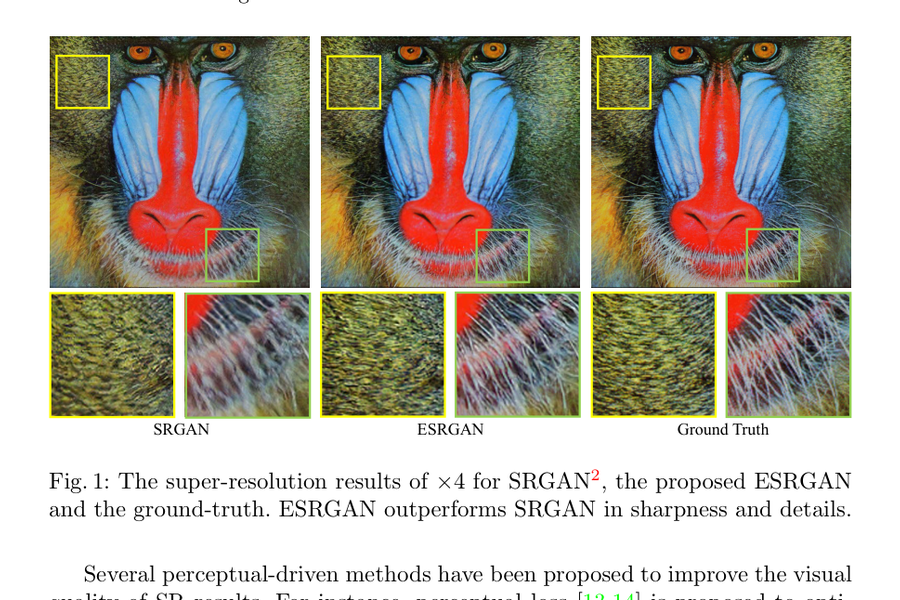 In Proceedings of the European conference on computer vision (ECCV) workshops, 2018
